


- NDL
Spicy-spicy-spicy instant Japanese curry
 Niko
The other day I was feeling both hungry and lazy.
So I got down on some instant Japanese curry:
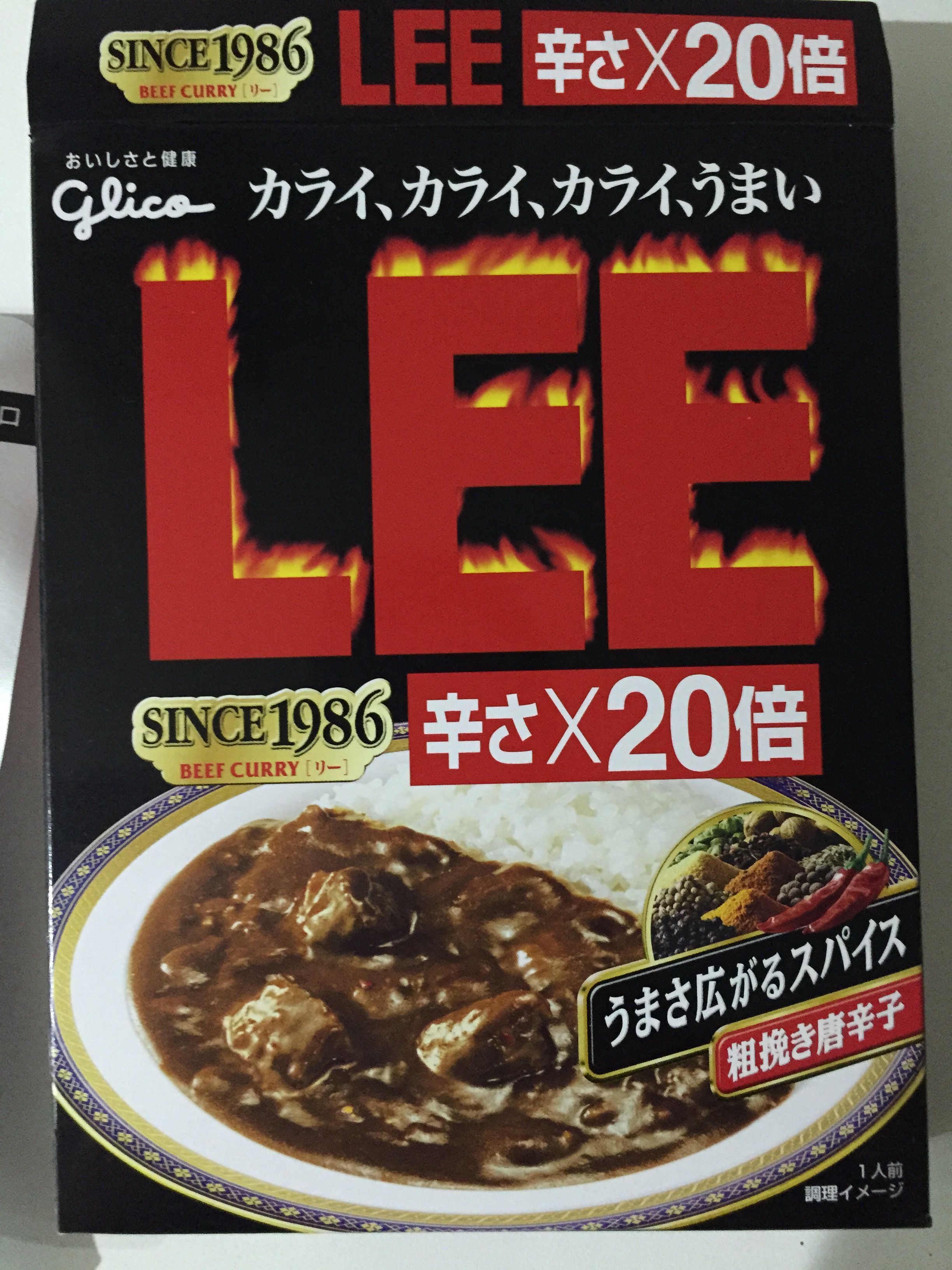
I'm not the biggest fan of Japanese curry, to be honest.
I prefer Thai and Indian curries, because they tend to have a bit more of that in-your-face curry flavor.
Whereas Japanese curry tends to be pretty mild. Especially kid-friendly curries like "Vermont Curry:"
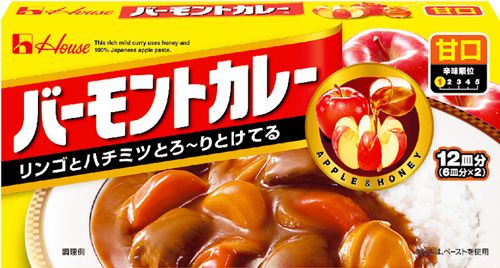
That has a touch of apple and honey in it.
Also, it's a mystery to me why they call it バーモントカレー (baamonto karee), "Vermont Curry."
See in the corner of that box? It says 甘口 (amakuchi), literally, "sweet + mouth."
Sometimes this word does mean "sweet flavor." But in many cases, it just means something like "mild flavor."
This is a bit different than the curry I had:
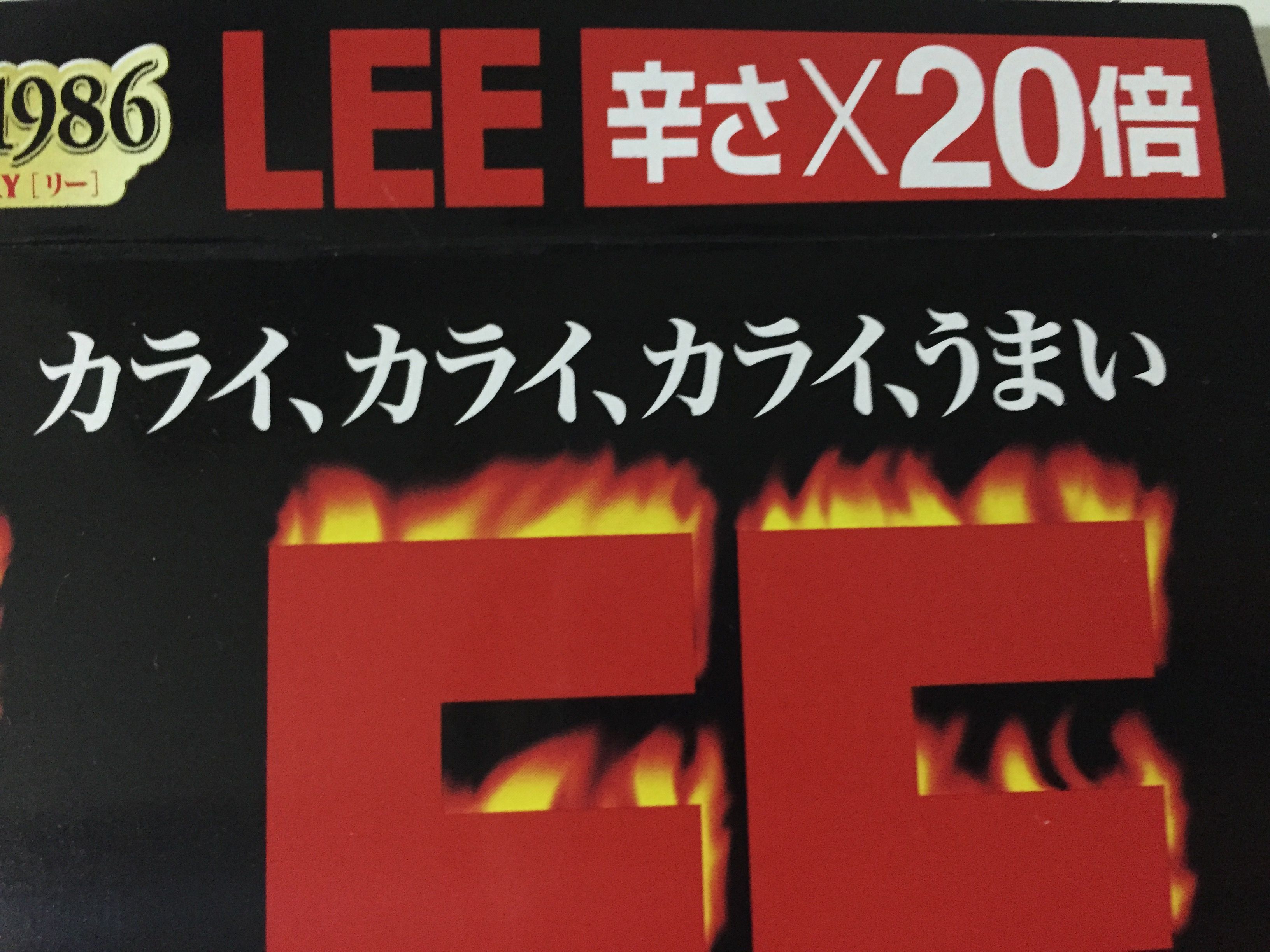
辛さX20倍
karasa X 20 bai
20 Times Spicy!
カライ、カライ、カライ、うまい
karai, karai, karai, umai
Spicy, spicy, spicy, delicious
(Note: In this case, writing カライ in katakana instead of the usual 辛い just makes the emphasis of the word a bit stronger.)
(Note #2: うまい means pretty much the same thing as おいしい [oishii], but the word has a slightly rougher nuance [making it especially popular with guys]. It can also be used as a replacement for 上手 [jouzu] when talking about how someone is good at something, e.g. 日本語うまいね [nihongo umai ne], "You're good at Japanese.")
So let's look at how to make spicy boxed curry:
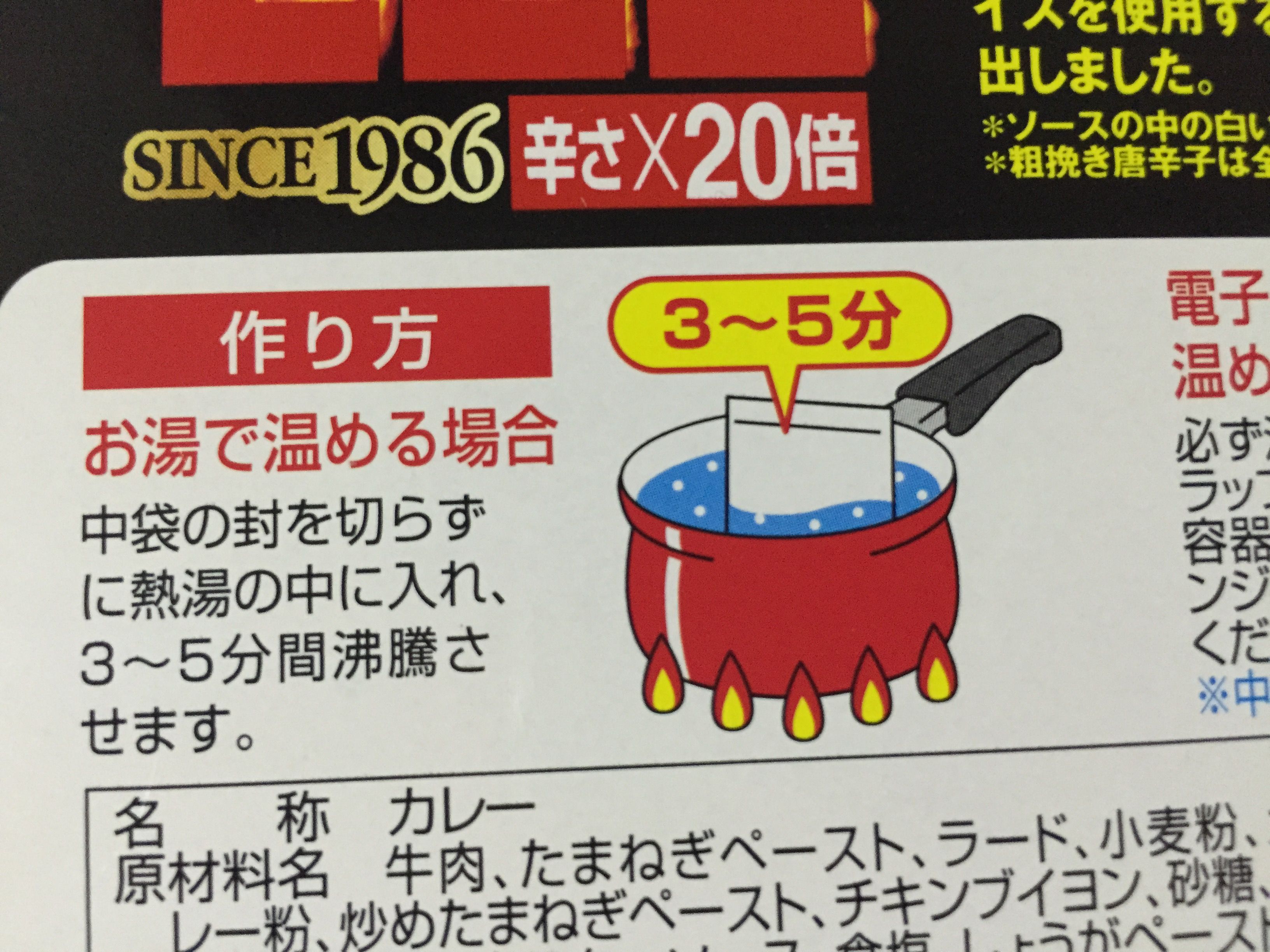
作り方
tsukurikata
How to cook
お湯で温める場合
oyu de atatameru baai
When heating in hot water
(Note: The other option would be to heat the bag up in a microwave, a 電子レンジ [denshi renji].)
中袋の封を切らずに
熱湯の中に入れ、
3~5分間沸騰させます。
nakabukuro no fuu wo kirazu ni
nettou no naka ni ire,
san kara go funkan futtou sasemasu.
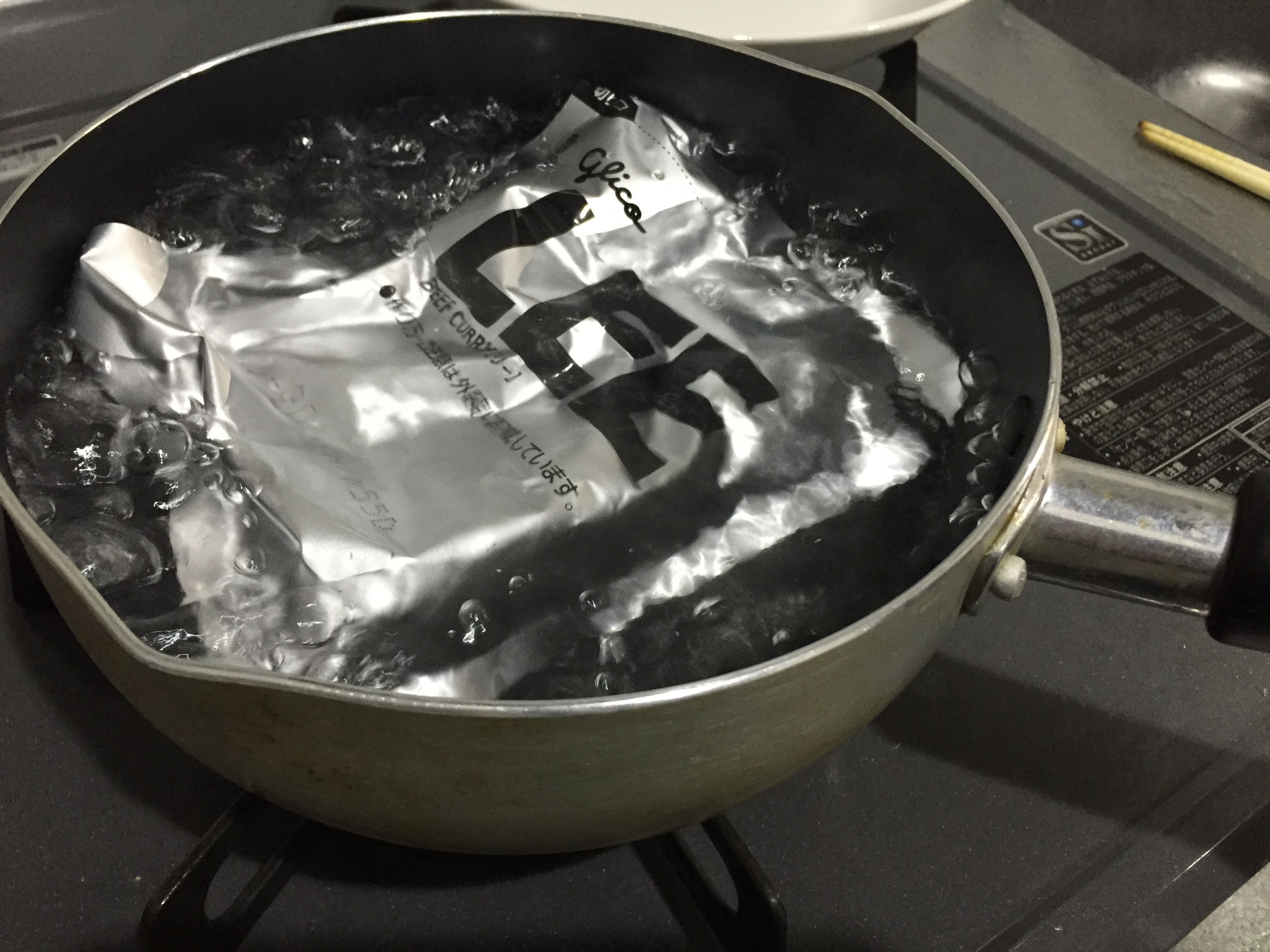
Place the unopened bag into boiling water for 3 to 5 minutes.
(Literally [Line #1]: "inside bag + の + seal + を + not cutting")
(Literally [Line #2]: "boiling water + の + inside + に + insert")
(Literally [Line #3]: "3-5 + minute period + boil させます [causative form of する (suru)].")
Like this:
Then we need some rice.
Luckily Rei always keeps these frozen packs of rice in our freezer:
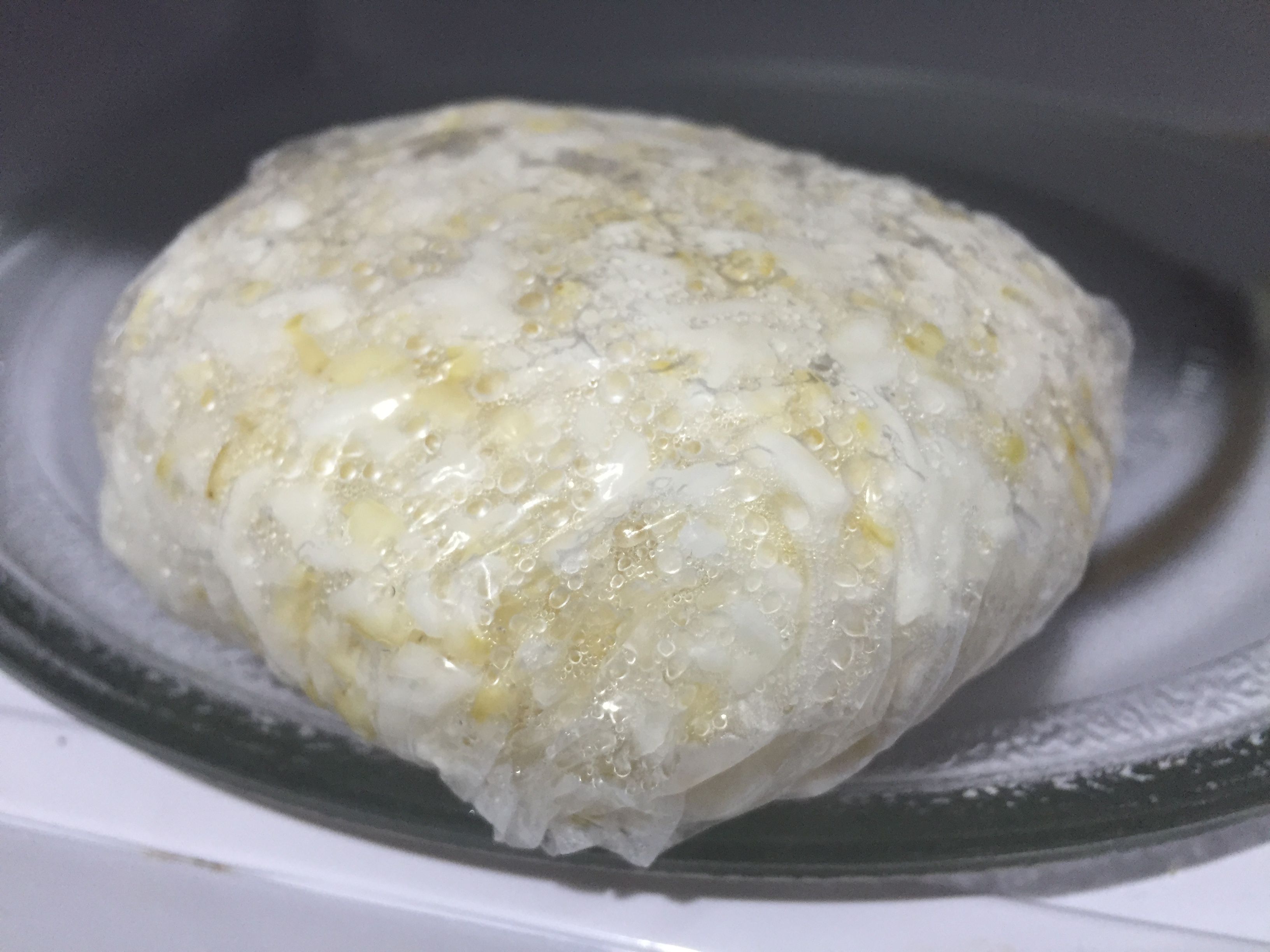
That's half 玄米 (genmai, "brown rice") and half 白米 (hakumai, "white rice")
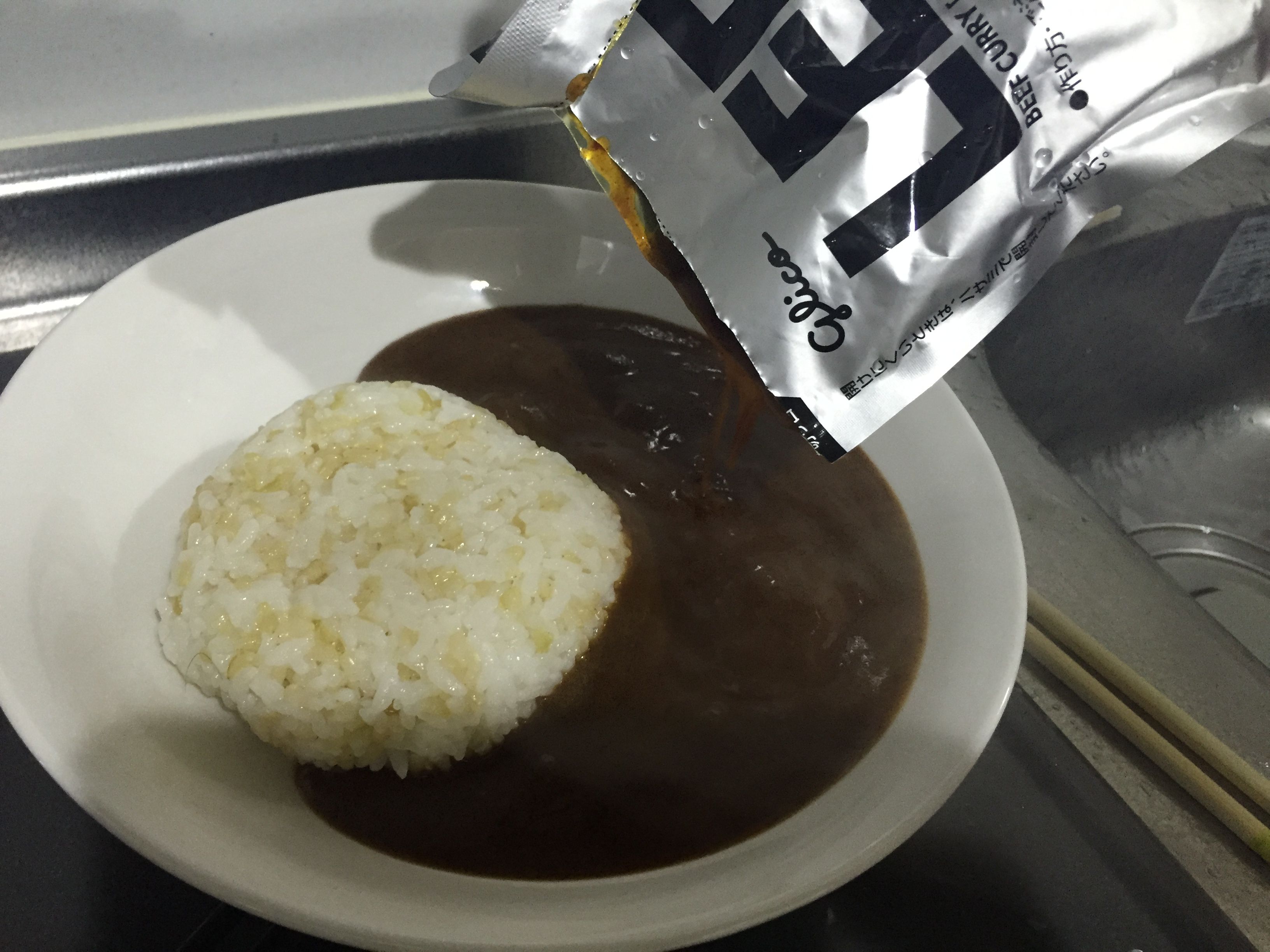
So I microwave that, then just pour curry around it:
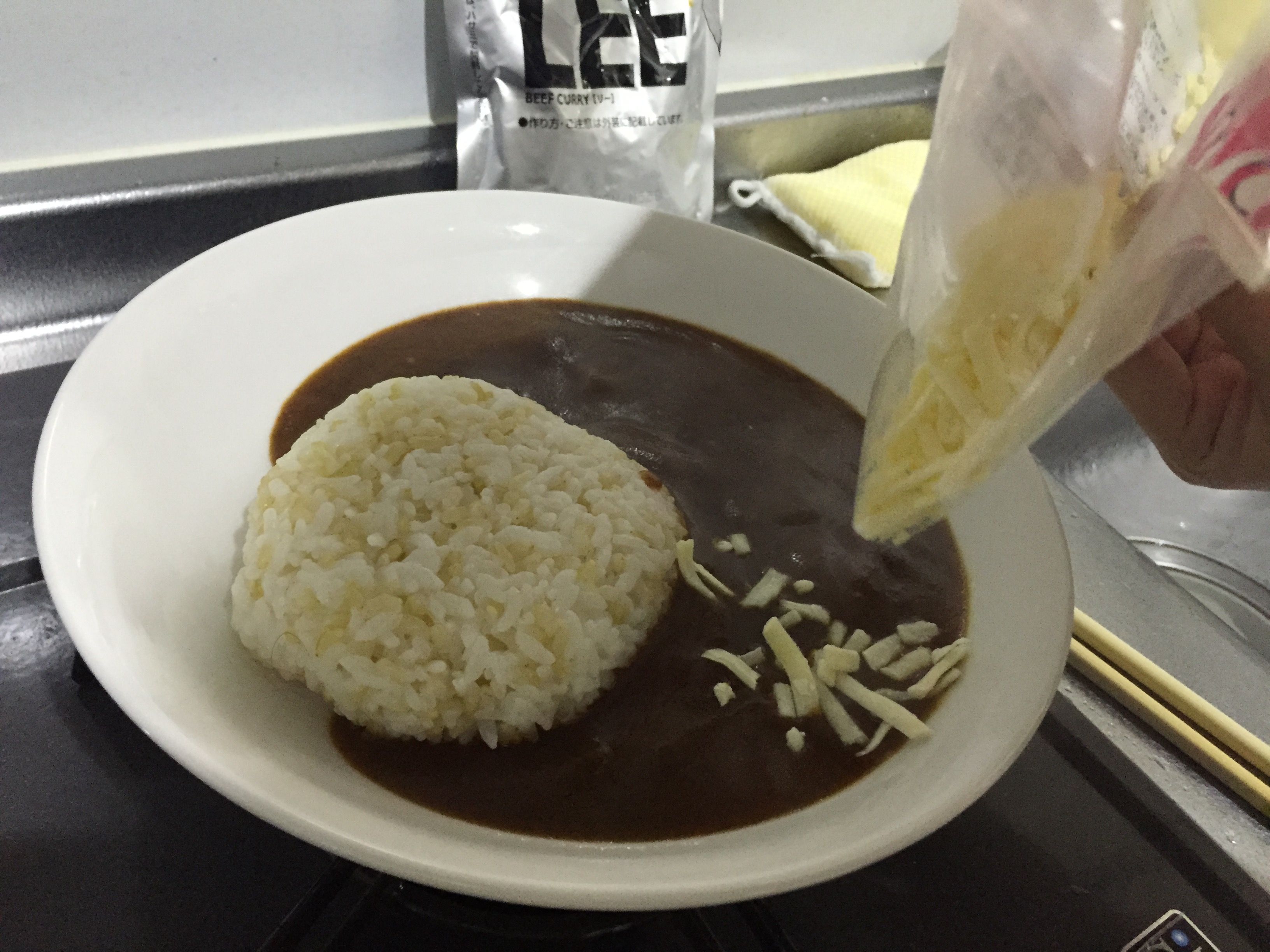
Rei absolutely demanded that I put cheese in it, saying:
チーズ入れなよ
chiizu ire na yo
Put cheese in it.
(Note: This construction of "masu-stem + なよ" is a cool way to tell someone to do something. It's not rude, but it is very casual.)
I was like, "No thanks, I don't want cheese in it."
But apparently I don't know anything about curry.
So she ignored me and put it in anyways:
Same thing happened with 福神漬け (fukujindzuke), which is a type of pickled daikon that Japanese people use as a garnish for curries (here's a recipe for it):
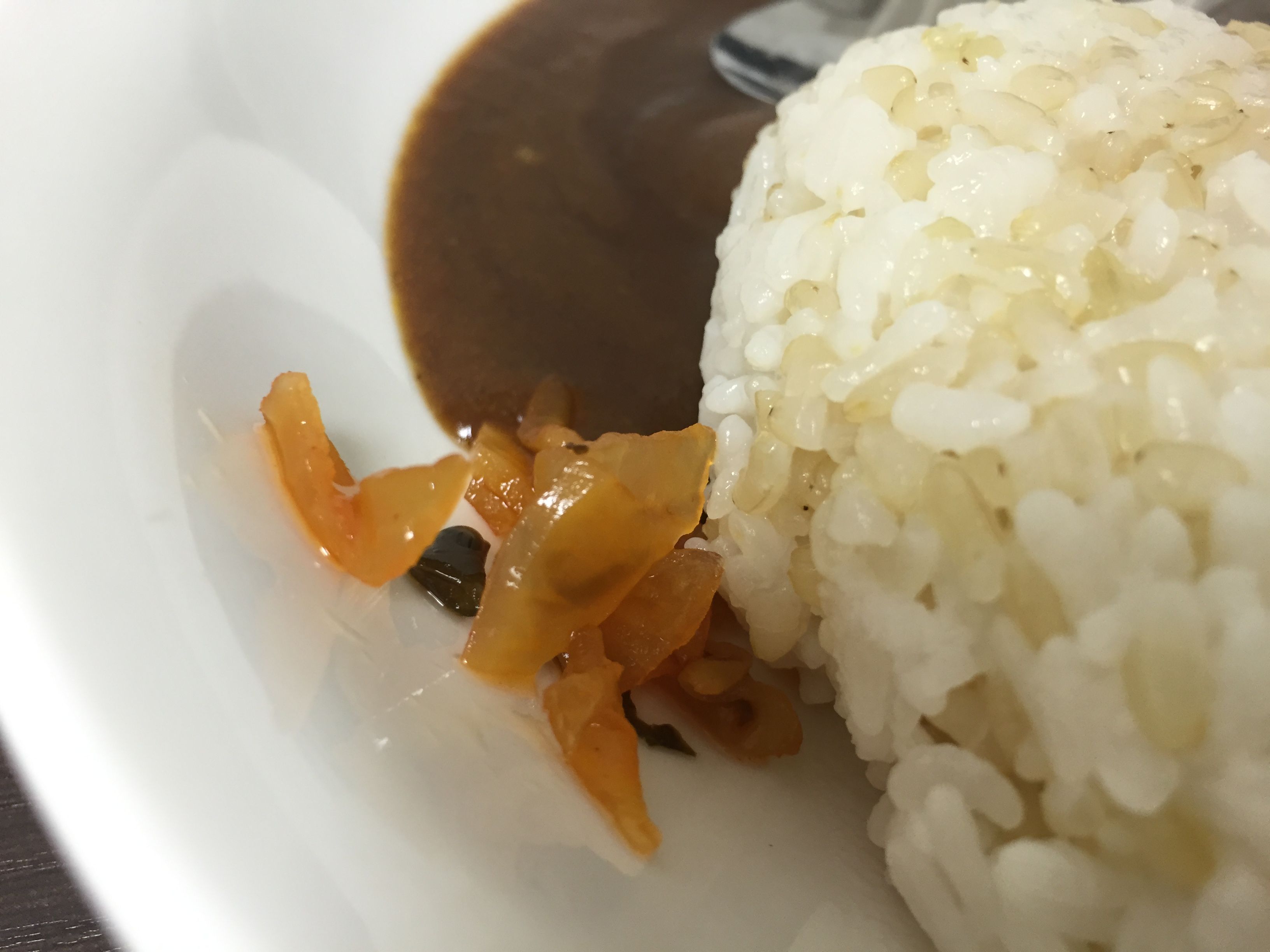
This was homemade 福神漬け (which I just learned how to read/write in kanji), courtesy of Rei's mom.
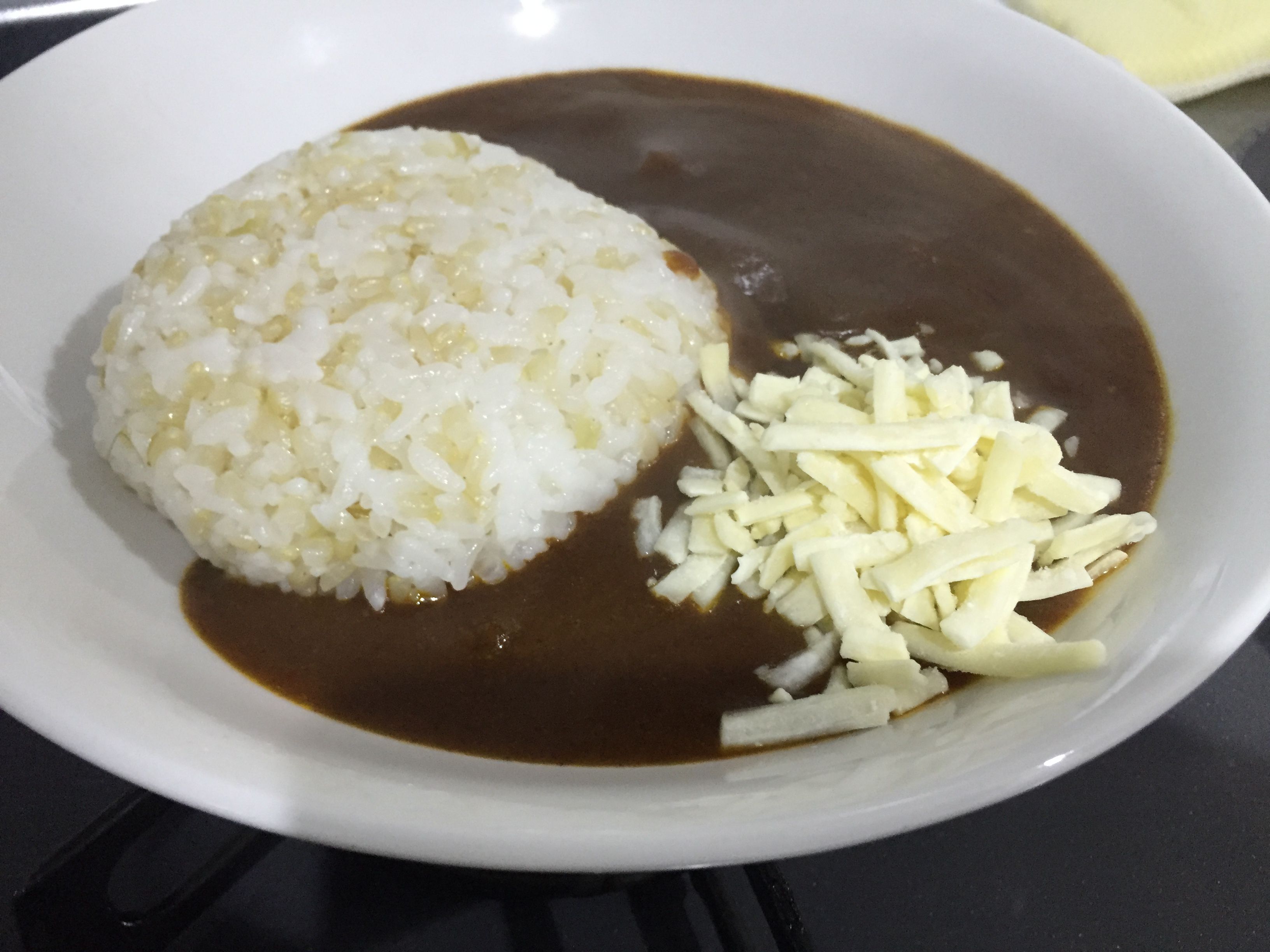
出来た!
dekita!
Finished!
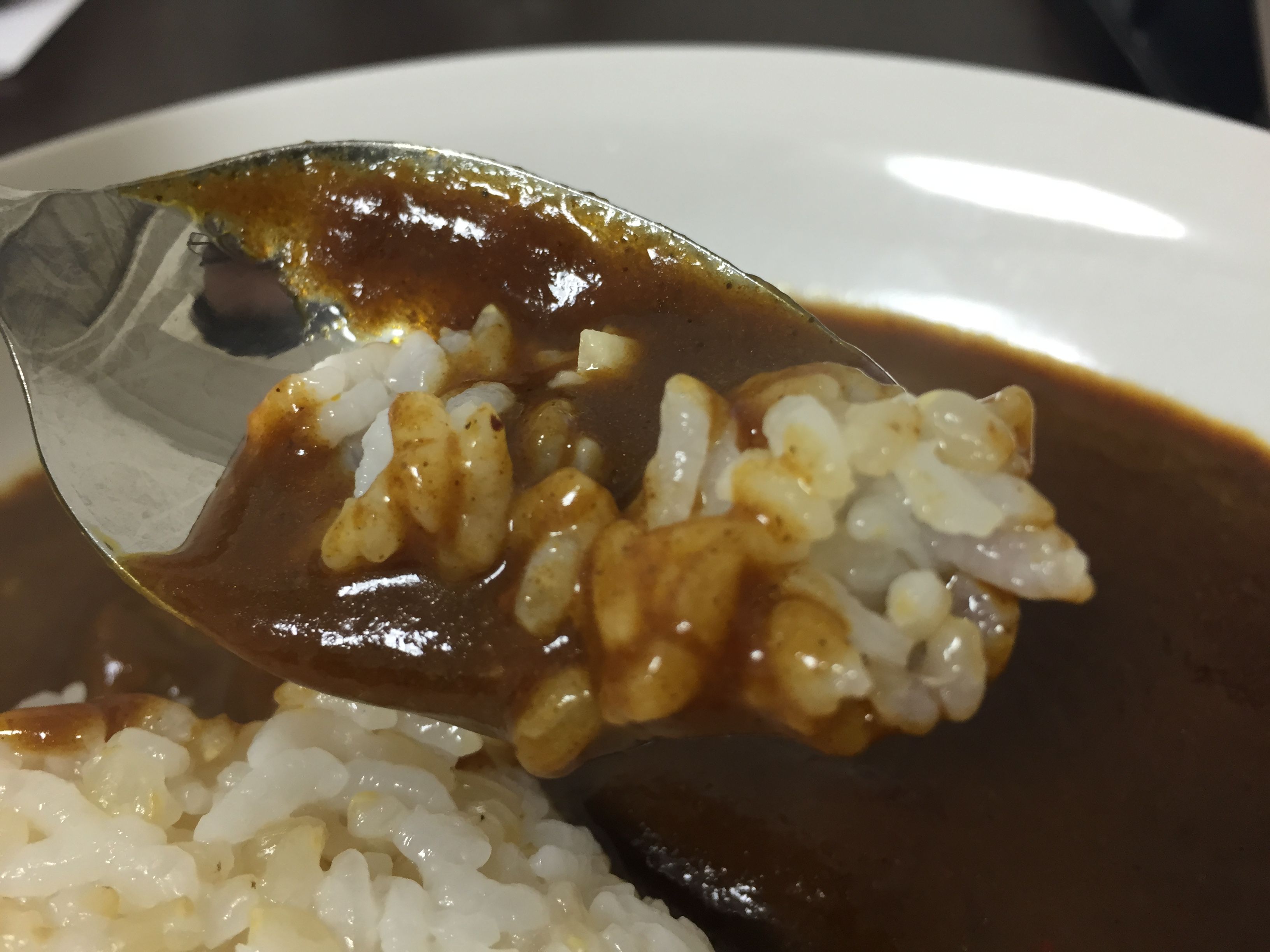
うまい!カライ!
Bonus Phrases:
間違えて甘口買っちゃった。
まちがえて あまくち かっちゃった。
I bought the sweet flavor (curry) by mistake.
ランチおいしかったね。
ランチ おいしかった ね。
Lunch was good, wasn't it?
上手にできた!
じょうず に できた!
It turned out well.
作り方教えて。
つくりかた おしえて。
Teach me how to make it. // Will you tell me how you made it?
電子レンジ持ってる?
でんしレンジ もってる?
Do you have a microwave?
福神漬け足りる?
ふくじんづけ たりる?
Is that enough fukujindzuke?
Niko