
- NDL
The Little Prince
I am always looking for new books to read in Japanese; the best way to practice is to do something you love in the language you are learning, and for me, that is reading.
Recently I have been trying to find my favorite books or authors in Japanese, and re-read them. It is a lot less pressure because I am already familiar with the story, so I just concentrate on picking up new vocab, and can worry less if I don't understand every little nuance. Enjoying doing something in Japanese is the key to motivation.
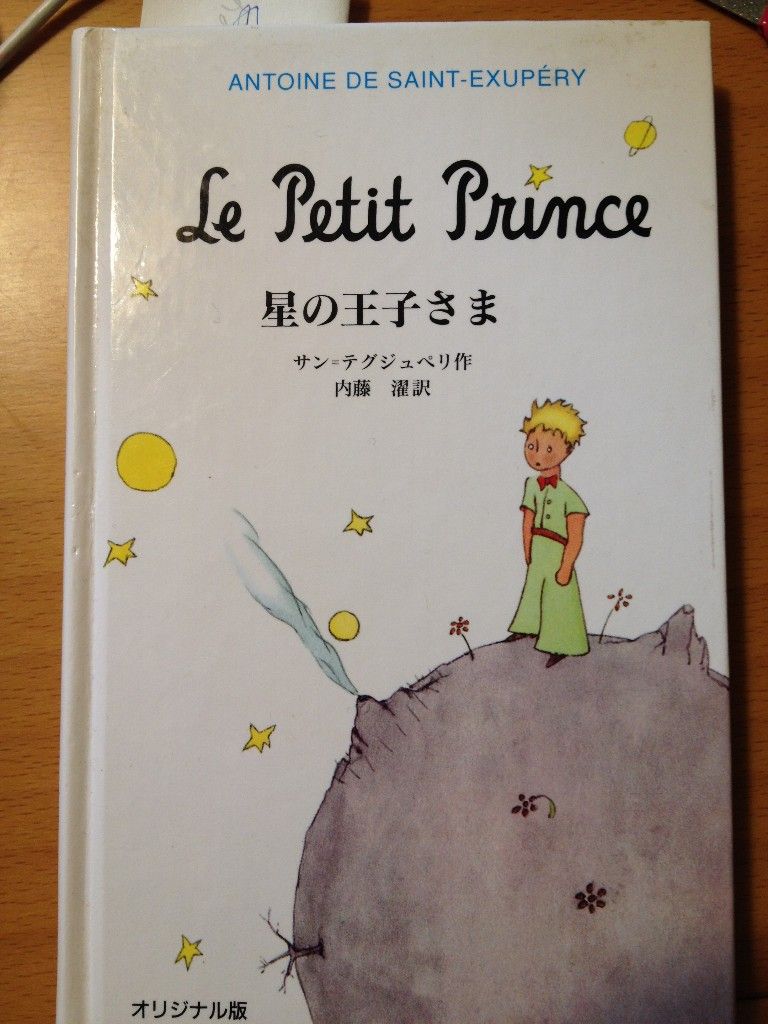
One of my favorite books, “The Little Prince,” is actually a great little read in Japanese. Most of the vocabulary is simple and the story is straightforward. I want to go over an excerpt of the book to show you how fun it can be to re-read your favorite books in Japanese.
If you haven’t read the book, don’t worry--there aren’t any spoilers. Also, please read this book, it is magnificent and I can almost guarantee you will love it.
I have taken the translations directly from the book, so it is more beautiful and much less exact than the literal translations I usually provide.
From Chapter 6:
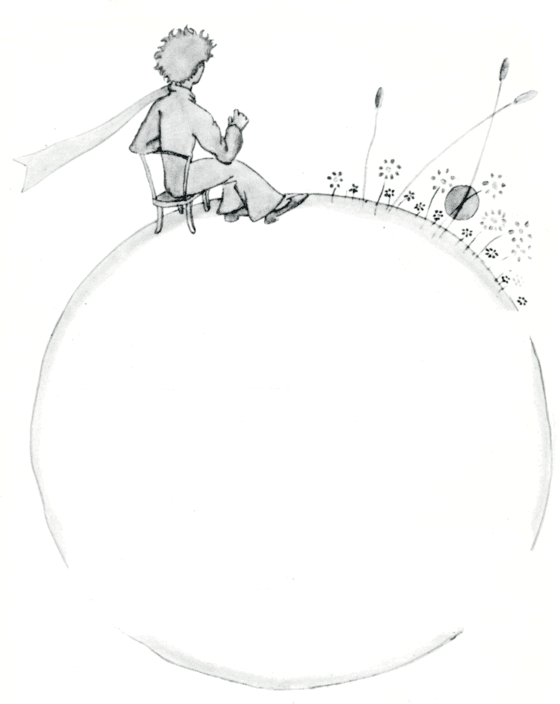
ねえ、王子くん。
ねえ、おうじ くん。
Oh, little prince!
こんなふうに、ちょっとずつわかってきたんだ。きみがさみしく、ささやかに生きてきたって。
こんなふうに、 ちょっとずつ わかってきたん だ。 きみ が さみしく、ささやかに いきてきたって。
Bit by bit I came to understand the secrets of your sad little life . . .
ずっときみには、おだやかな夕ぐれしか、いやされるものがなかった。
ずっと きみ には、おだやかな ゆうぐれ しか、いやされる もの が なかった。
For a long time you had found your only entertainment in the quiet pleasure of looking at the sunset.
しか and ない go together in a sentence to make up the word “only.” It does not make the sentence negative. For more about this, check out the following lessons: Can't get you out of my head & I only slept a whole five hours!
このことをはじめて知ったのは、4日めのあさ、そのとき、きみはぼくにいった。
この こと を はじめて しった のは、よっかめ の あさ、そのとき、きみ はぼく に いった。
I learned that new detail on the morning of the fourth day, when you said to me:
「夕ぐれが大すきなんだ。夕ぐれを見にいこう……」
「ゆうぐれ が だいすきなんだ。ゆうぐれ を みにいこう…」
"I am very fond of sunsets. Come, let us go look at a sunset now."
「でも、またなきゃ……」
「でも、また なきゃ…」
“But we must wait," I said.
V+なきゃ is the colloquial version of V+なければならない which is added to a verb and means “must do V.”
「なにをまつの?」
「なに を まつ の?」
"Wait? For what?"
「夕ぐれをまつんだよ。」
「ゆうぐれ を まつ んだよ」
"For the sunset. We must wait until it is time."
とてもびっくりしてから、きみはじぶんをわらったのかな。
とても びっくり してから、きみ は じぶん を わらった の かな。
At first you seemed to be very much surprised. And then you laughed to yourself.
こういったよね。
こう いった よね。
You said to me:
「てっきりまだ、ぼくんちだとおもってた!」
「てっきり まだ、ぼく んち だ と おもってた!」
"I am always thinking that I am at home!"
んち is a shortened form of の うち which means " ‘s home."
なるほど。
Just so.
ごぞんじのとおり、アメリカでまひるのときは、フランスでは夕ぐれ。
ごぞんじ の とおり、あめりか で まひる の とき は、ふらんす では ゆうぐれ。
Everybody knows that when it is noon in the United States the sun is setting over France.
だからあっというまにフランスへいけたら、夕ぐれが見られるってことになる。
だから あっというまに ふらんす へ いけたら、ゆうぐれ が みられる って ことになる。
If you could fly to France in one minute, you could go straight into the sunset, right from noon.
あっというまに is one of my favorite expressions in Japanese. If you pull it apart it reads あっ という 間 に, which roughly translates to “in the time it takes to say ‘ah’.” It is used to mean something very quick “in the blink of an eye, etc.”
でもあいにく、フランスはめちゃくちゃとおい。
でも あいにく、ふらんす は めちゃくちゃ とおい。
Unfortunately, France is too far away for that.
だけど、きみの星では、てくてくとイスをもってあるけば、それでいい。
だけど、きみ の ほし では、てくてく と いす を もって あるけば、それで いい。
But on your tiny planet, my little prince, all you need do is move your chair a few steps.
そうやってきみは、いつでも見たいときに、くれゆくお日さまを見ていたんだ。
そうやって きみ は、いつでも みたい とき に、くれゆく おひさま を みていたんだ。
You can see the day end and the twilight falling whenever you like . . .
「1日に、44回も夕ぐれを見たことがあるよ!」
「いちにち に、よんじゅうよんかい も ゆうぐれ を みた ことがある よ!」
"One day," you said to me, "I saw the sunset forty-four times!"
If you liked this excerpt, please pick up the book in Japanese, or another book your are familiar with and give it a try. It doesn’t matter if you have to look up 10 words a page, as long as you are enjoying yourself and learning something new!