


- JLPT N4
~てみる
 Niko
I have good news, and I have good news, and I have good news.
First, this lesson is on a very useful topic: JLPT N4: ~てみる (try doing).
Second, in my accidental wisdom, I already wrote a lesson on this very topic back in the day: Try Doing VS Try to Do.
Finally, this is one of the less complicated N4 grammar points, so it (hopefully) won't cause you too much mental stress.
V て + みる
= try VERB-ing
Anytime you want to try a VERB [an action] in order to find out some more about it, just put that VERB into て-form and add the verb みる onto the end of it.
I think it's OK to think of this みる as meaning "to see," but you shouldn't use the kanji-version, 見る, when attaching it to て-form.
Here's the example we had back when we first studied this topic:
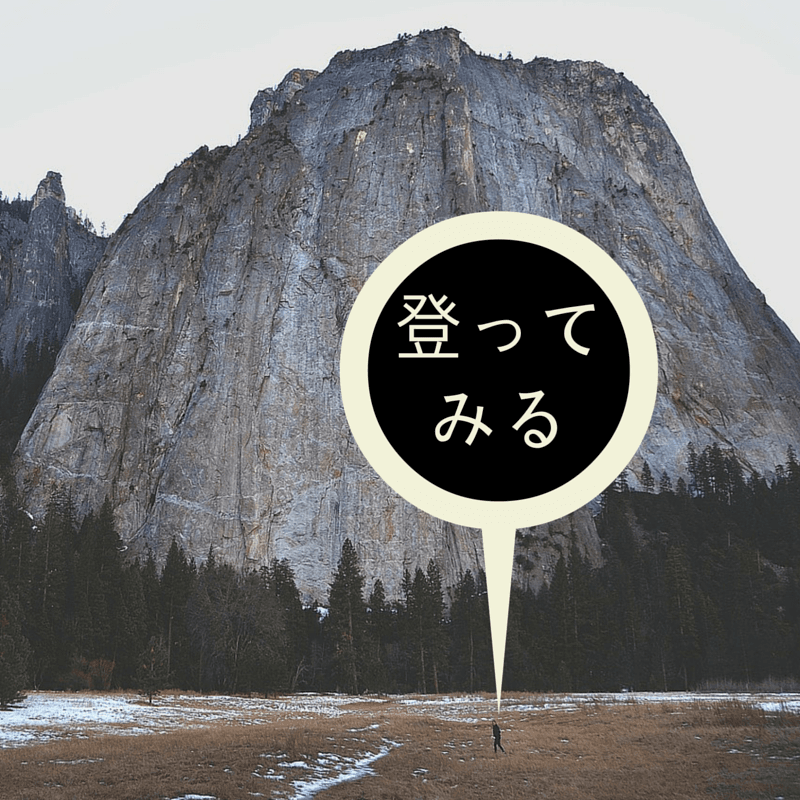
登ってみる。
のぼって みる。
I'm gonna try climbing it.
Makes sense, yeah?
Well how about these next few sentences...
一口飲んでみますか?おいしいですよ。
ひとくち のんでみます か? おいしい です よ。
Would you like to try it? It’s good. // Do you want to have a sip? It’s good.
A:
この本、あげましょうか。
この ほん、 あげましょう か。
Do you want (me to give you) this book?
B:
ありがとうございます。これ、ずっと読んでみたいと思っていたんです。
ありがとう ございます。 これ、 ずっと よんでみたい と おもっていた んです。
Thank you. I’ve wanted to try reading this for a very long time.
大根の育て方を調べてみたけど、よくわからなかった。
だいこん の そだて かた を しらべてみた けど、 よく わからなかった。
I looked up [tried looking up] how to grow daikon, but I didn’t really understand it.
Customer:
この上着を着てみてもいいですか。
この うわぎ を きてみても いい です か。
Is it all right if I try this coat on?
Shop Clerk:
もちろんいいですよ。
もちろん いい です よ。
Of course.
Time to level up!
As mentioned in the old ~てみる lesson, in casual situations you can also just say ~てみ.
Like this:

飲んでみ。
のんで み。
Try it.
That's all for this one. If you can make basic verb conjugations like て-form, plain past, and so on, then using this particular grammar point shouldn't be too difficult.
So maybe you should decide to 使ってみる (つかってみる) this stuff in your next conversation with your Japanese teacher... or language exchange partner... or your cat... or the voice in your head. Anyone!
Niko
