


- Conjugation Foundation
Make mE a ます-stem master (Unit 5)
 Niko
This is an important lecture because it covers the infamous ます-stem (masu-stem). We will use this in a vast array of grammatical patterns.
I know we're not worrying about mastering our conjugations just yet, but the earlier you learn how to put verbs into their ます-stem forms, the smoother your studies will be.
To form the ます-stem of a godan verb, we must change the final "-u" sound to an "-i" sound. Like this:
買う → 買い-(かう → かい-)
行く → 行き-(いく → いき-)
書く → 書き-(かく → かき-)
脱ぐ → 脱ぎ-(ぬぐ → ぬぎ-)
押す → 押し-(おす → おし-)
立つ → 立ち-(たつ → たち-)
死ぬ → 死に-(しぬ → しに-)
遊ぶ → 遊び-(あそぶ → あそび-)
飲む → 飲み-(のむ → のみ-)
座る → 座り-(すわる → すわり-)
As usual, we don't need to do anything to the stems of ichidan verbs:
食べる → 食べ-(たべる → たべ-)
寝る → 寝-(ねる → ね-)
Our Group III verbs change like this:
する → し-
来る → 来-(くる → き-)
Master all of the stem changes listed above, and you will be able to say a lot of things in Japanese. In our cheat sheet, we list only a few of them:
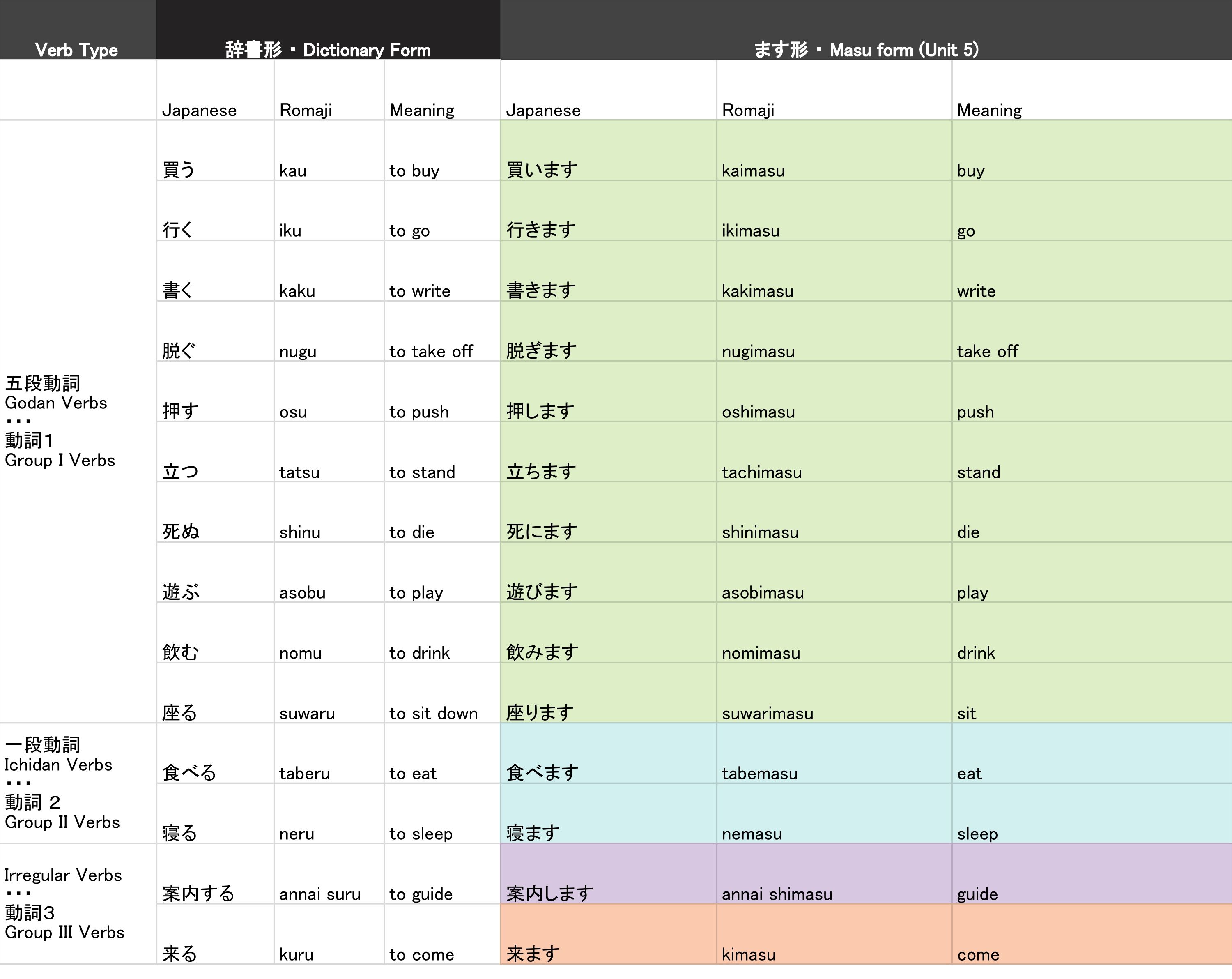
~ます is the polite present/future form:
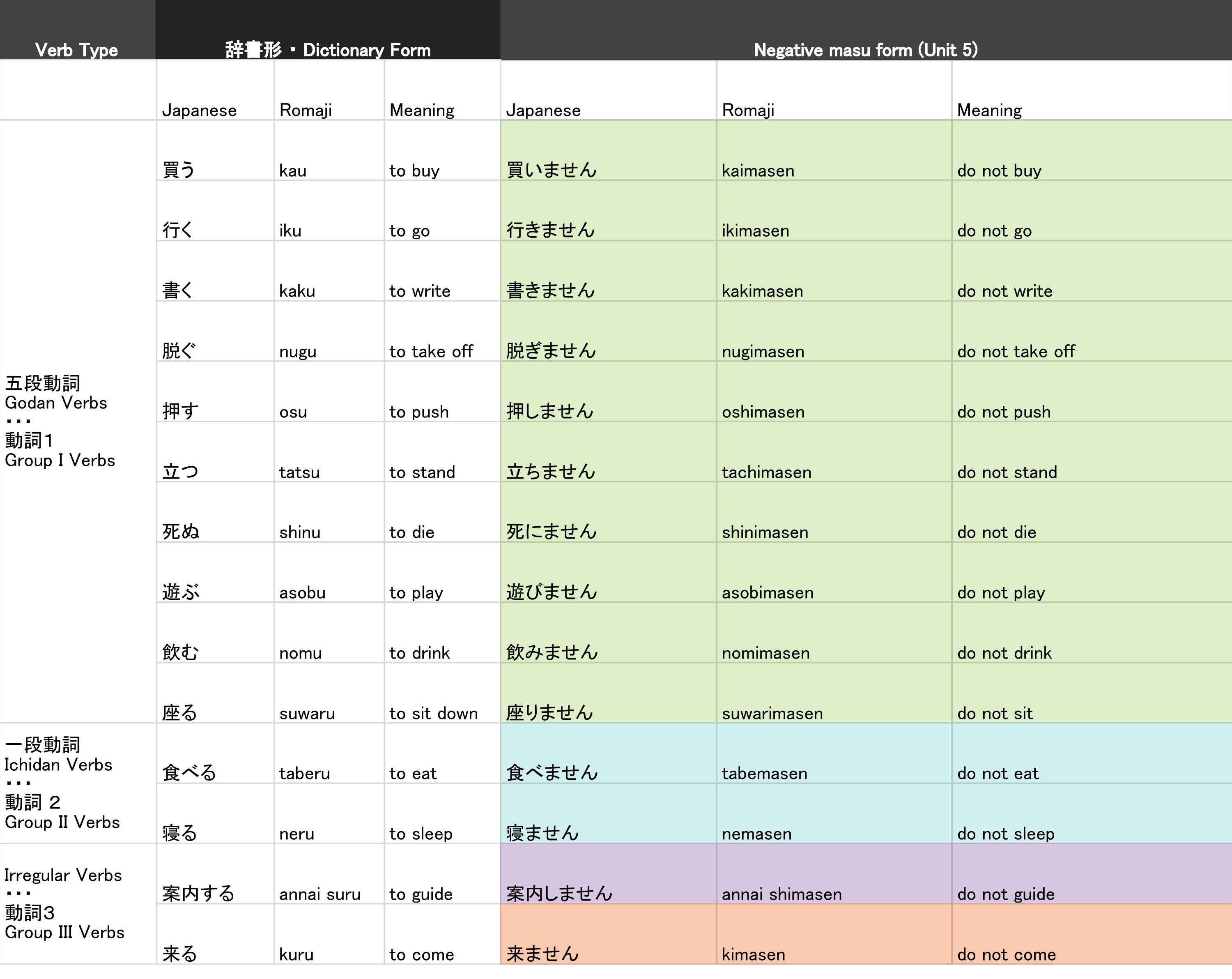
~ません is the negative polite present/future form:
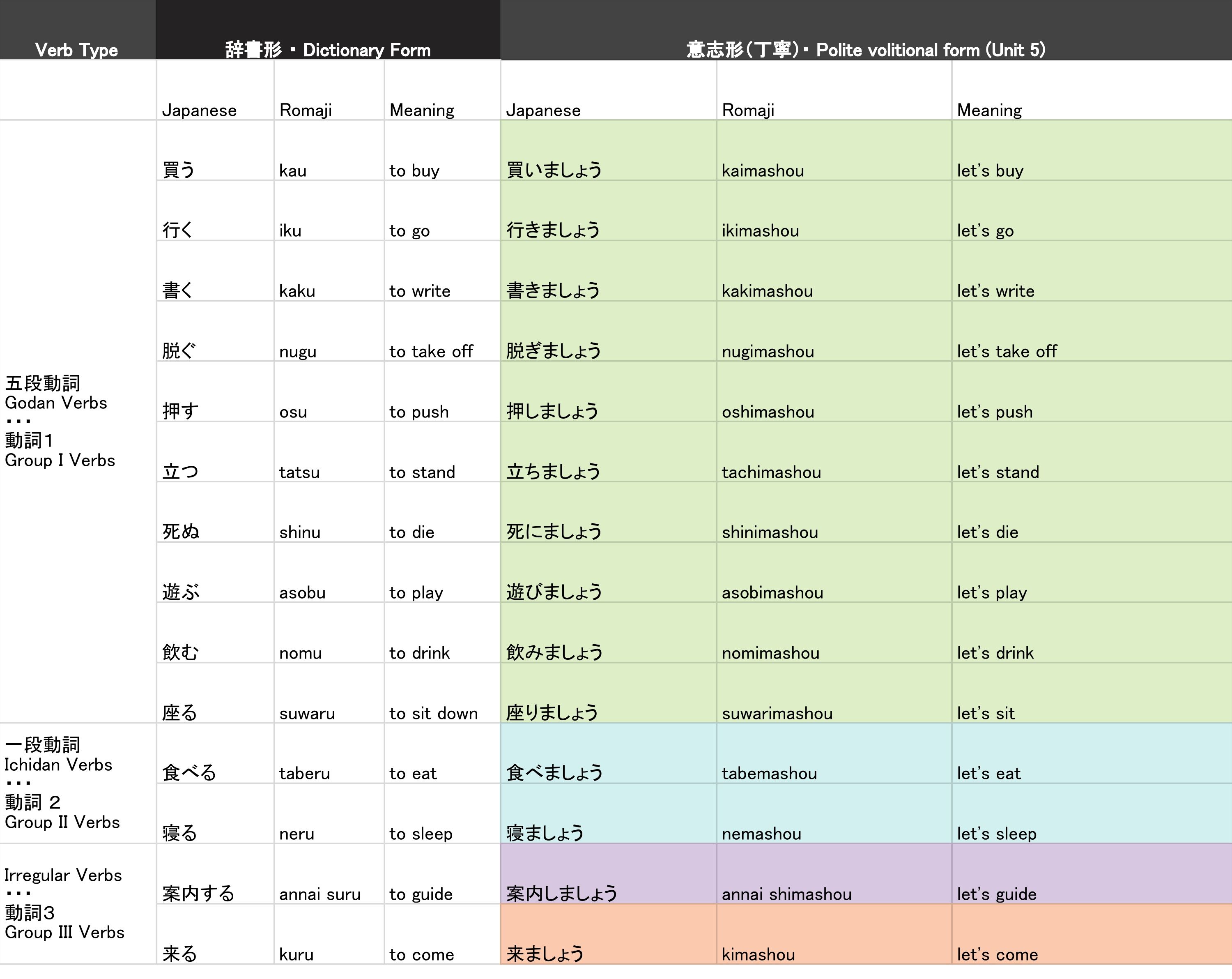
~ ましょう is the polite volitional form:
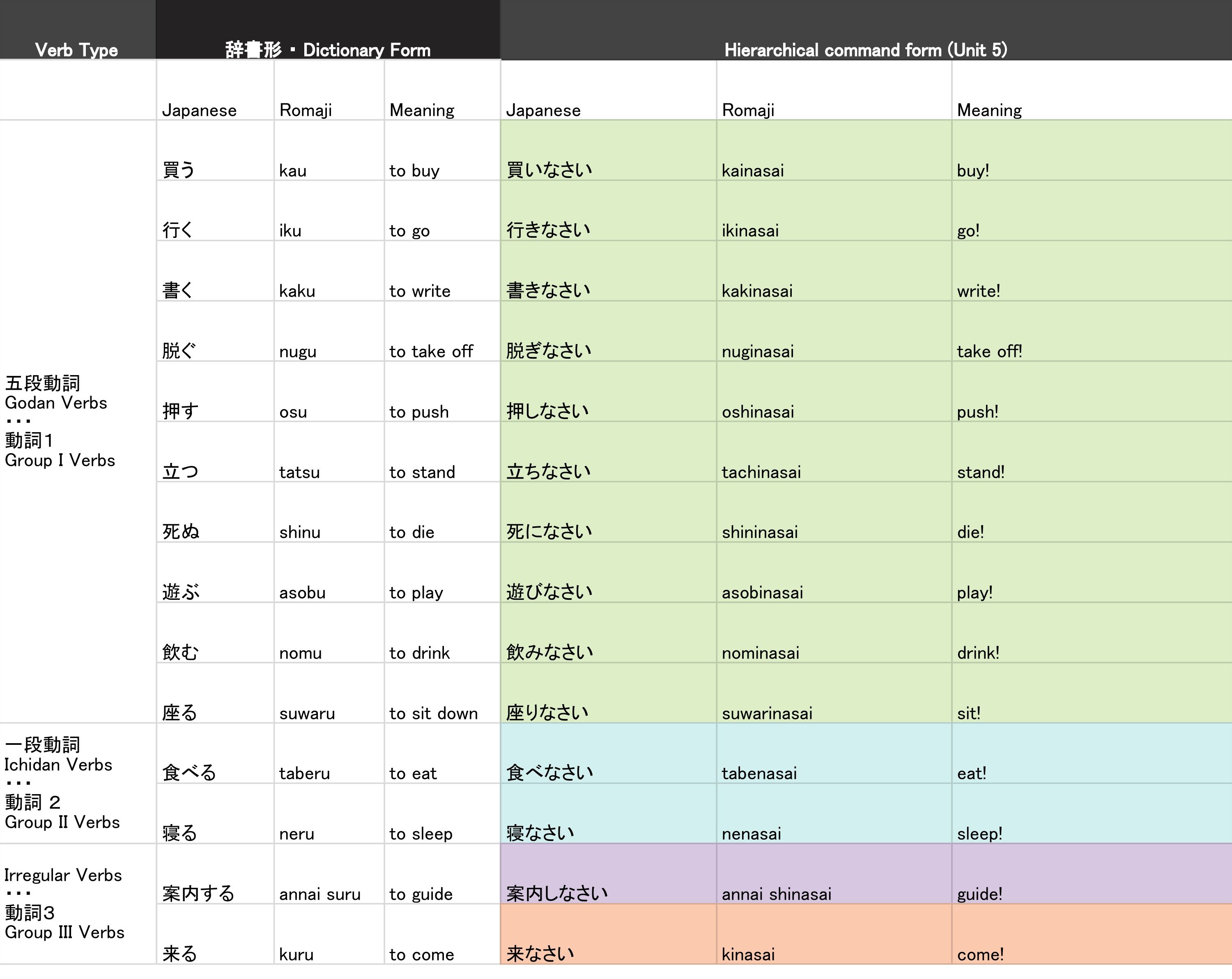
~なさい is the hierarchical command form (e.g. what a teacher uses when commanding students to do something; what a parent uses when commanding a child to do something; etc.):
Here are some sentences:
今日は早く寝ます。
きょう は はやく ねます。
I'm going to go to sleep early today (i.e. tonight).
今日は寝ません!
きょう は ねません!
I'm not going to sleep today!
今日は早く寝ましょう。
きょう は はやく ねましょう。
I think I'll go to sleep early today. // Let's go to sleep early today.
早く寝なさい。
はやく ねなさい。
Hurry up and go to sleep.
毎朝パンを食べます。
まいあさ パン を たべます。
I eat bread every morning.
パンは食べません。
パン は たべません。
I don't eat bread.
パンを食べましょう。
パン を たべましょう。
I think I'll eat bread. // Let's eat bread.
パンを食べなさい。
パン を たべなさい。
Eat the bread.
We can even take things a step further and attach some other verb endings that pair up with ます-stems.
ます-stem + ~たい = want to VERB
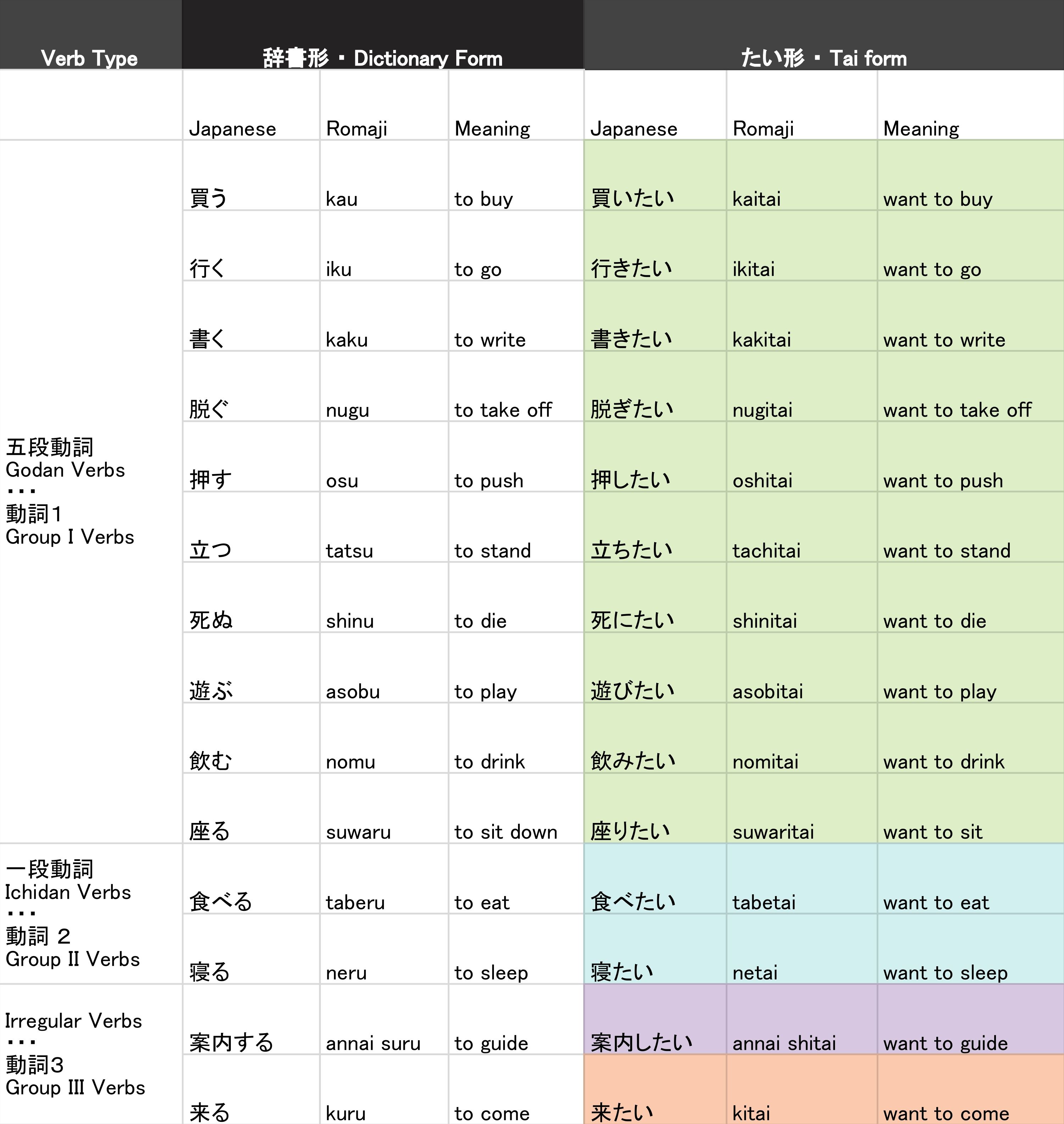
パン食べたい!
パン たべたい!
I want to eat bread!
行きたい。
いきたい。
I want to go.
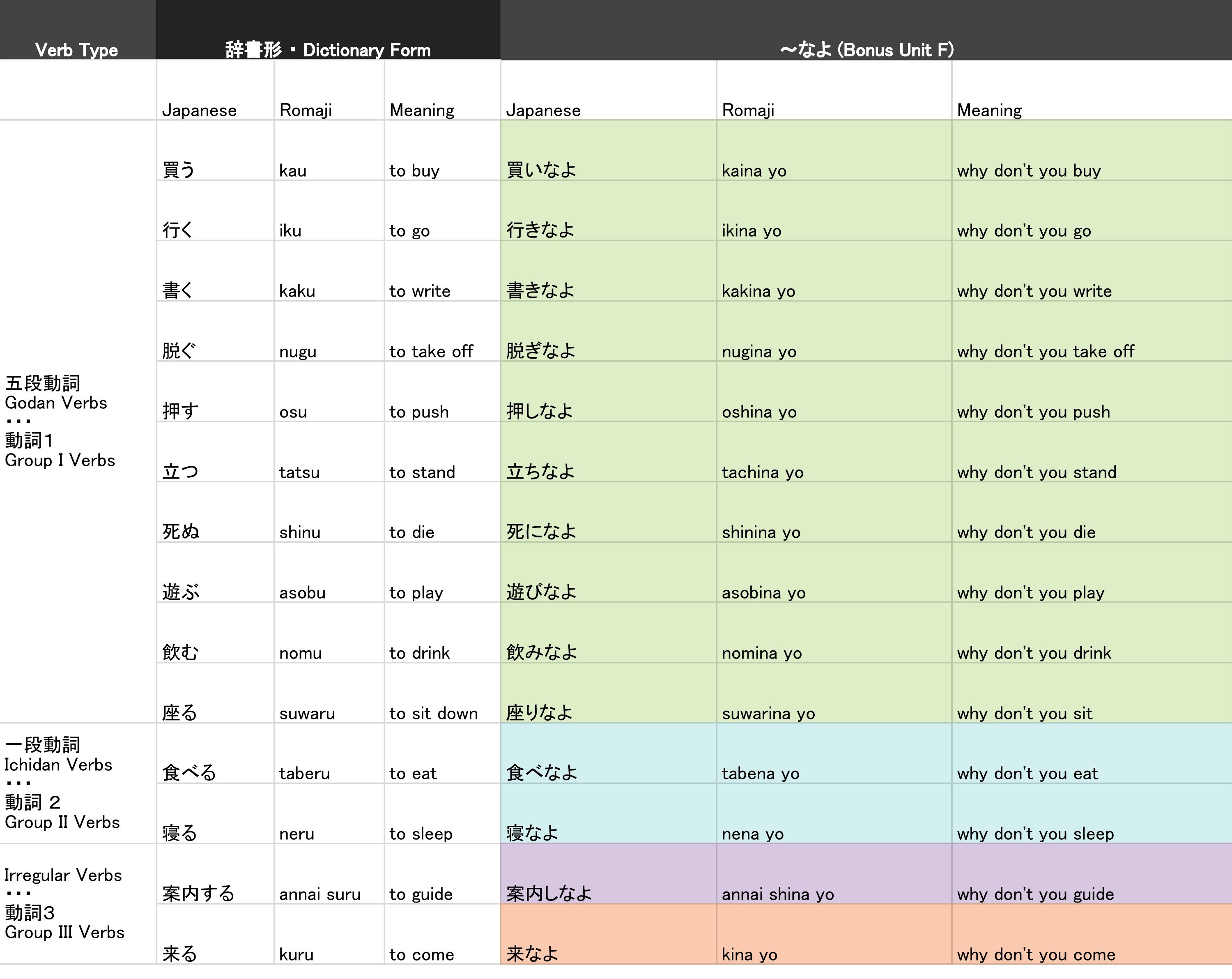
ます-stem + ~な = [casual suggestion]
食べな。
たべな。
Why don't eat (it)? // Eat (it).
We can add よ to add a bit of emphasis:
行きなよ。
いきな よ。
Why don't you go? // Come on, just go.
Well, what do you think? Do I have you convinced that mastering ます-stems is worth your while?
I hope so. In any case, you'll see it so often that you'll master it naturally over time.
Niko