
- NDL
Words We Skip Learning
Hey there fellow netizens!
If you remember one of our previous lessons, I mentioned there are some words that we skip learning when studying a language as an adult. These are words that you would usually memorize as a child while learning about the world around you. So how about we enter a Ghibli-like setting and learn how the flowers bloom, how the sun rises, and how the grass grows?
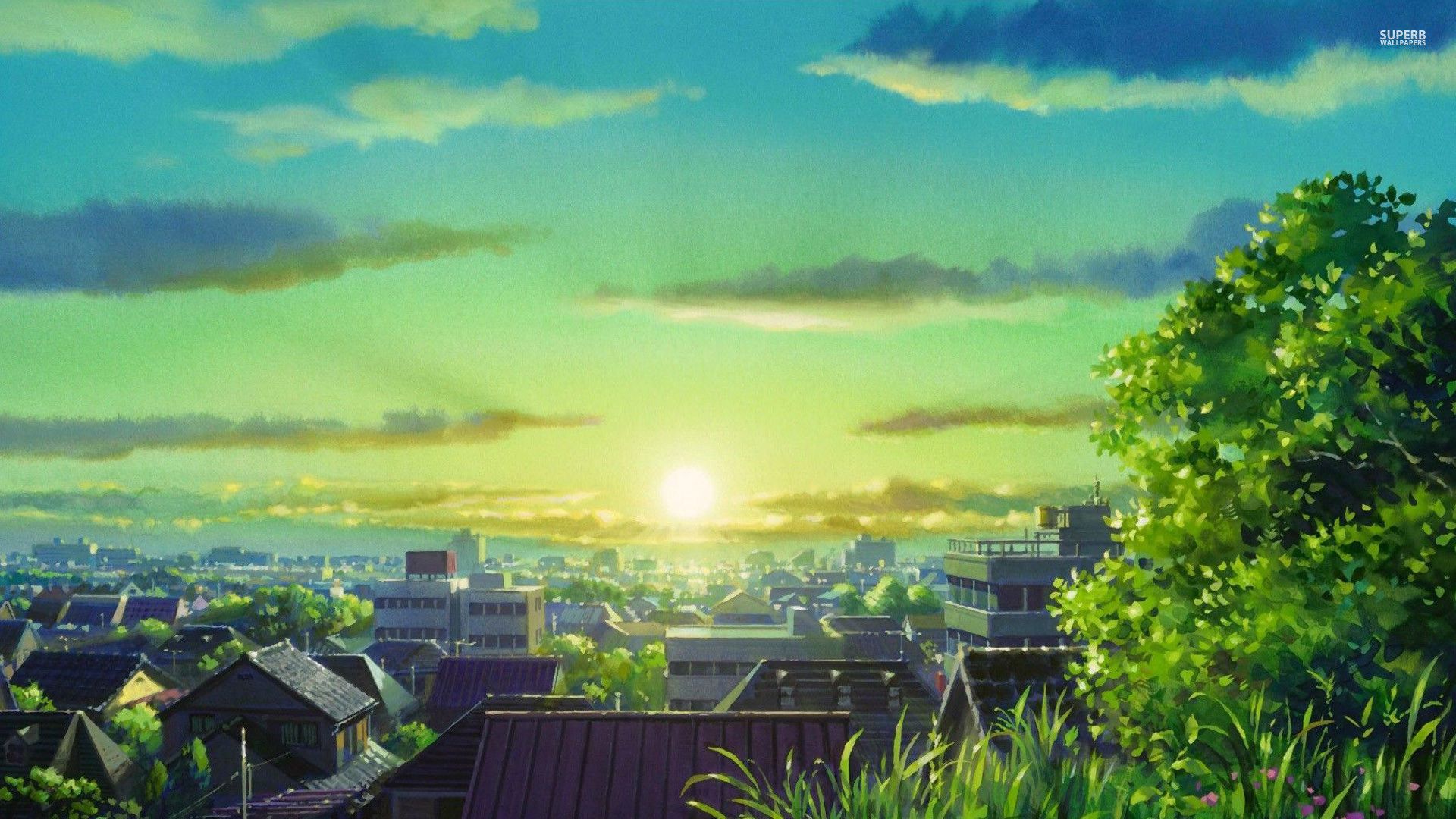
日が昇る。
ひ が のぼる。
The sun rises.
Or
日が出る。
ひ が でる。
The sun rises. // The sun comes out (e.g. from behind clouds).
This is also where the word 'sunrise' comes from in Japanese:
日の出
ひので
Sunrise
Speaking of which, you have probably heard of:
朝日
あさひ
Morning sun
That's because they have a newspaper:
朝日新聞
あさひ しんぶん
Asahi newspaper
...and a beer named after it:
アサヒ瓶ビール
あさひ びん びーる
Asahi bottled beer
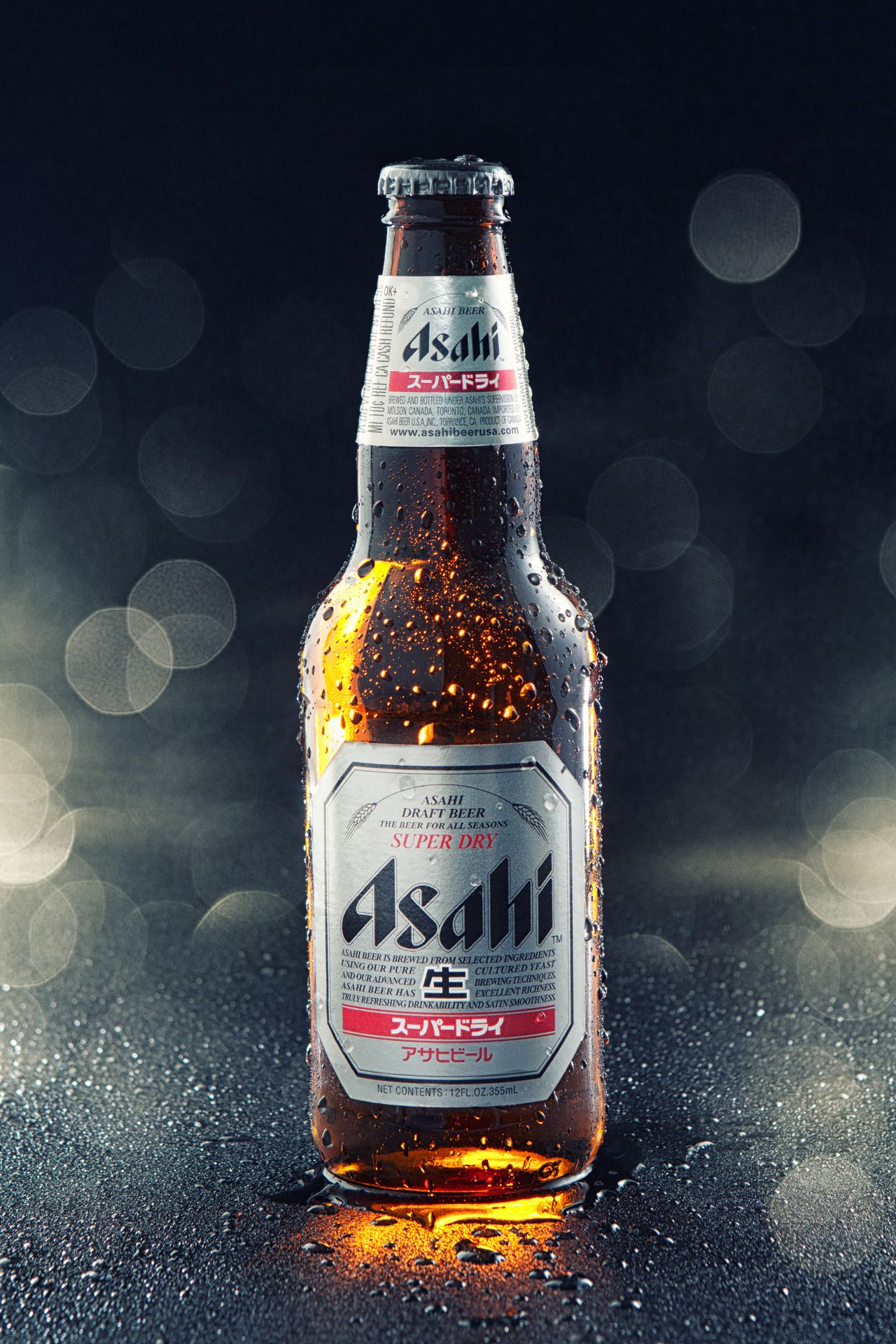
Let's enjoy our beer while relaxing in the grass:
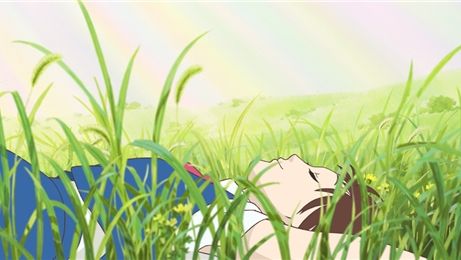
It's so quiet you can hear the grass growing...
草が生えている。
くさ が はえている。
The grass is growing.
And then some birds start singing:
鳥が鳴く。
とり が なく。
The birds sing.
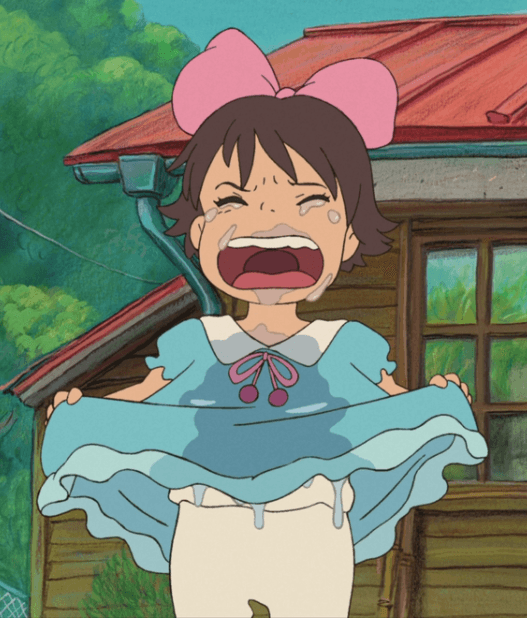
Note: In Japanese the verb '鳴く/なく' is used to express that an animal is making a sound, be that a 'chirp,' a 'meow,' a 'woof,' or whatever. Also, this verb is a homonym with 'to cry' (泣く/なく). So you have:
蛙が鳴いている。
かえる が ないている。
The frog is croaking.
And
子供が泣いている。
こども が ないている。
The child is crying.
But speaking of birds, do you know how they hatch?
ひよこが孵る。
ひよこ が かえる。
The chicks hatch.

Let's see, what else... I think you already know this one:
花が咲く。
はな が さく。
The flowers bloom.
Also when the seasons change, the leaves start falling...
花が散る。
はな が ちる。
The leaves fall.
Note: The verb '散る' tends to only be used with flowers and leaves that fall/scatter. If, for example, a book happens to fall down, you use the well-known '落ちる/おちる/to fall', so make sure not to mix them up.
So how about the weather then?
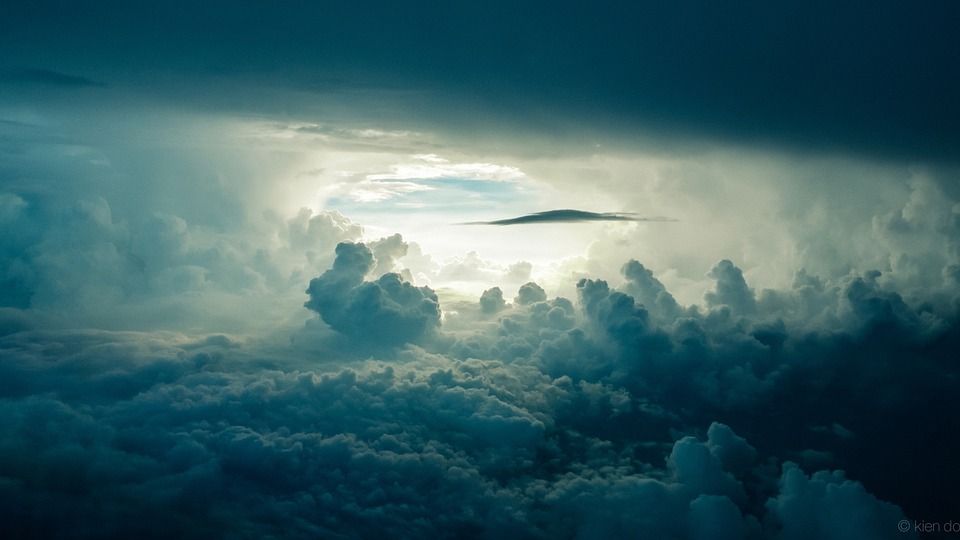
Well, if it gets cloudy, we say:
曇ってる。
くもってる。
It's cloudy.
It's common to remove the い from 曇っている in spoken language.
And when the clouds begin to clear and it's sunny again, we say:
晴れてる。
はれてる。
It's clear out.
It's common to remove the い from 晴れている in spoken language.
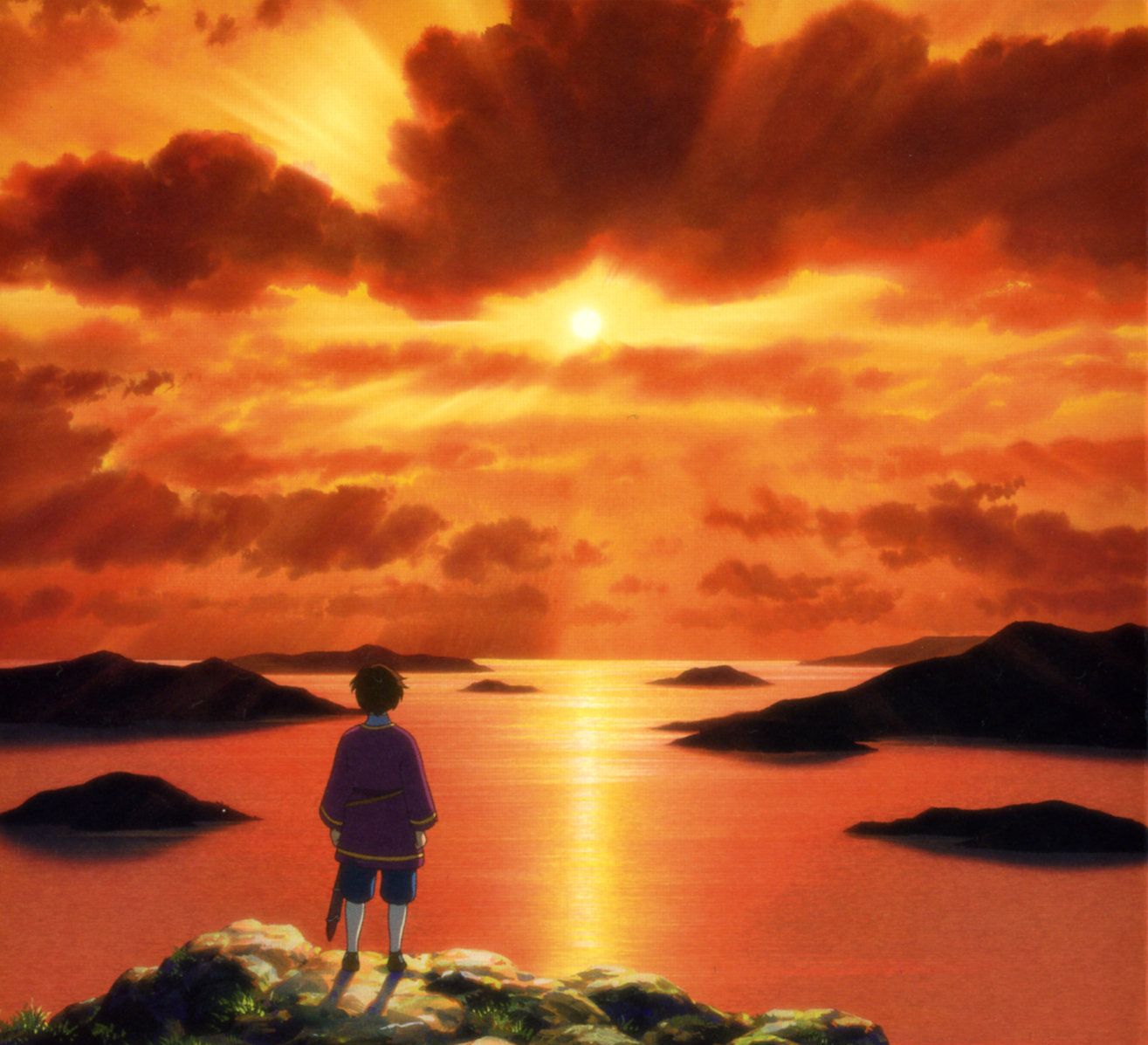
Now, after a long day, we can sit back and enjoy the sunset:
日が暮れる。
ひ が くれる。
The sun sets.
Another way of saying it is:
日が沈む。
ひ が しずむ。
The sun sets.
Well, I hope you learned some valuable Japanese 'childhood knowledge'.
I would recommend picking up the Japanese version of your favorite fairy-tales; it would definitely help with remembering such words. Have fun reading, and see you next time!