


- Onomatopoeia
どばどば
 Niko
どばどば
gushing out; pouring out (in large amounts)
First, here is a Japanese definition of this phrase:
大量のものが、勢いよく続けざまにふき出るさま。
たいりょう の もの が、 いきおい よく つづけざま に ふきでる さま。
the state of something that is continuing to spout out [gush forth] in large amounts with force.
Source: オノマトペ辞典
So, when something is continuously pouring out in large amounts, we can say that it is どばどば.
どばどば is typically used when describing something that the speaker does not feel is a good thing. For example, later we'll see a speaker who thinks her father puts too much soy sauce on his gyoza, a speaker who thinks someone lets the water run too much while brushing his teeth, etc.
As is usually the case, example sentences will teach this better than I can:
お父さんは餃子に醤油をどばどばかけて食べる。
おとうさん は ぎょうざ に しょうゆ を どばどば かけて たべる。
My dad smothers gyoza in soy sauce when he eats it.
↑ Including どばどば in this sentence adds the nuance that "dad" puts a lot of soy sauce on his gyoza.
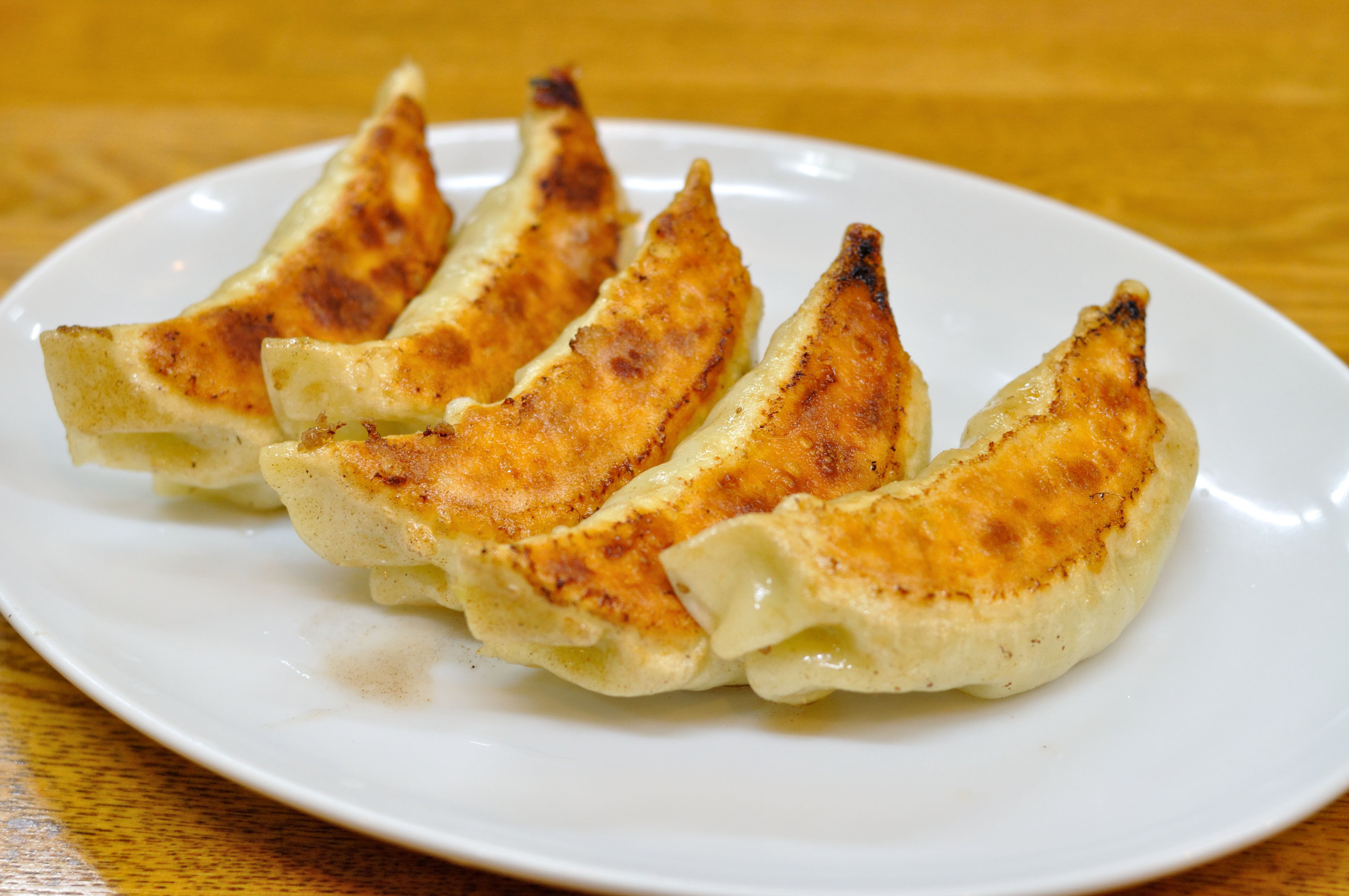
Ahh, gyoza...
彼はどばどば水を流しながら歯を磨く。
かれ は どばどば みず を ながしながら は を みがく。
He leaves the water running on full blast while brushing his teeth.
↑ He doesn't just leave the water running when he brushes his teeth. He leaves it turned on all the way while brushing his teeth.
傷口から血がどばっと出てきた。
きずぐち から ち が どばっ と でて きた。
Blood gushed out of the cut [wound].
↑ The cut didn't just bleed. Blood gushed out of it.
By the way, since we are not using a repeated sound (e.g. どばどば) and instead using a singular onomatopoeic sound (どばっ), it is clear that this is something that happened once.
Blood did not gush out repeatedly. Blood gushed out just once. Please compare that to the nuances of the sentences with どばどば, above.
For more on this topic, check out the difference between チクチク and チクッ in this lesson: Onomatopoeia: ちくちく.
That's all for this one.
Have fun using this one in your own daily speech. ^_^
Niko
