


- Onomatopoeia
ぴかぴか
 Niko
ぴかぴか
glittering; sparkling; shiny (and new)
Something that is ぴかぴか is shiny and sparkling.
It's no coincidence that the world's most well-known Pokemon, a lightning-type Pokemon, is named ピカチュウ (Pikachu).

If we look up ぴかぴか in a Japanese dictionary, we'll come across a few entries...
断続的に強い光を放つさま。また、光り輝くさま。
だんぞくてき に つよい ひかり を はなつ さま。 また、 ひかりかがやく さま。
letting off strong, intermittent flashes of light; also, shining
Source: goo辞書
つやがあって照り輝いているさま。
つや が あって てりかがやいている さま。
the glistening quality of gloss [polish]
Source: goo辞書
真新しいさま。また、なりたてであるさま。
まあたらしい さま。 また、 なりたて である さま。
being brand new; also, having just become something
Source: goo辞書

The way a diamond sparkles is ぴかぴか:
薬指に大きなダイヤがピカピカ輝いている。
くすりゆび に おおきな ダイヤ が ピカピカ かがやいている。
The large diamond on her ring finger glittered and sparkled.

(Source)
The shiny gloss of a freshly polished floor is also ぴかぴか:
床をピカピカに磨いた。
ゆか を ピカピカ に みがいた。
I polished the floor until it was sparkling.
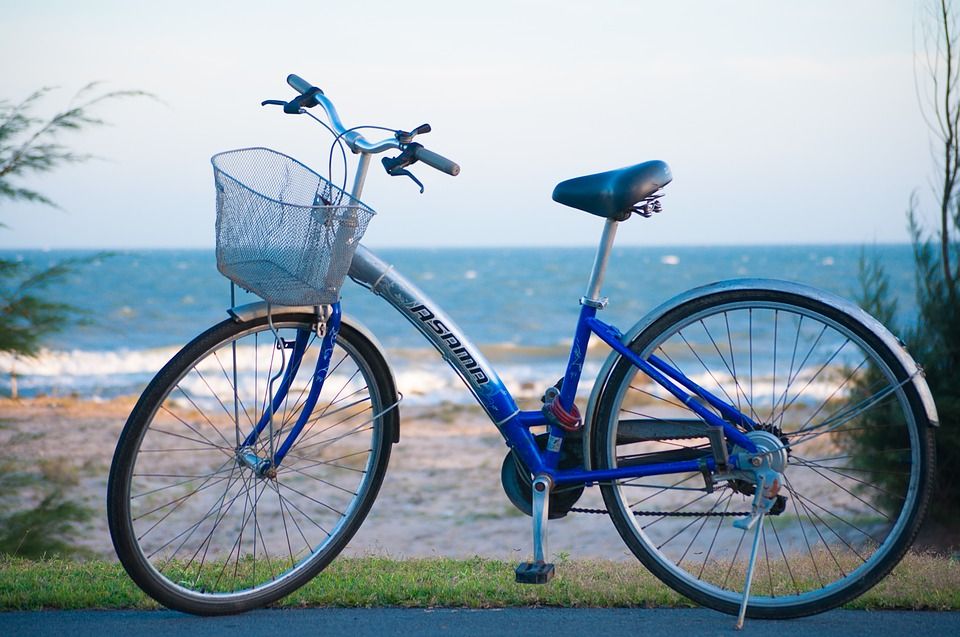
Like how we say "shiny (and) new" in English, something brand new can be described as ぴかぴか, too:
買ったばかりのピカピカの自転車を盗まれた。
かった ばかり の ピカピカ の じてんしゃ を ぬすまれた。
The shiny new bike that I just bought got stolen.
This nuance of "shiny (and) new" is also used in the set phrase ぴかぴかの一年生 (ぴかぴかのいちねんせい), which literally means something like "shiny (new) first-year (elementary school) student."
It is usually used to describe a child that has just entered elementary school recently:
うちの末っ子はぴかぴかの一年生です。
うち の すえっこ は ぴかぴか の いちねんせい です。
Our youngest just started elementary school. // Our youngest is a shiny new elementary school student.
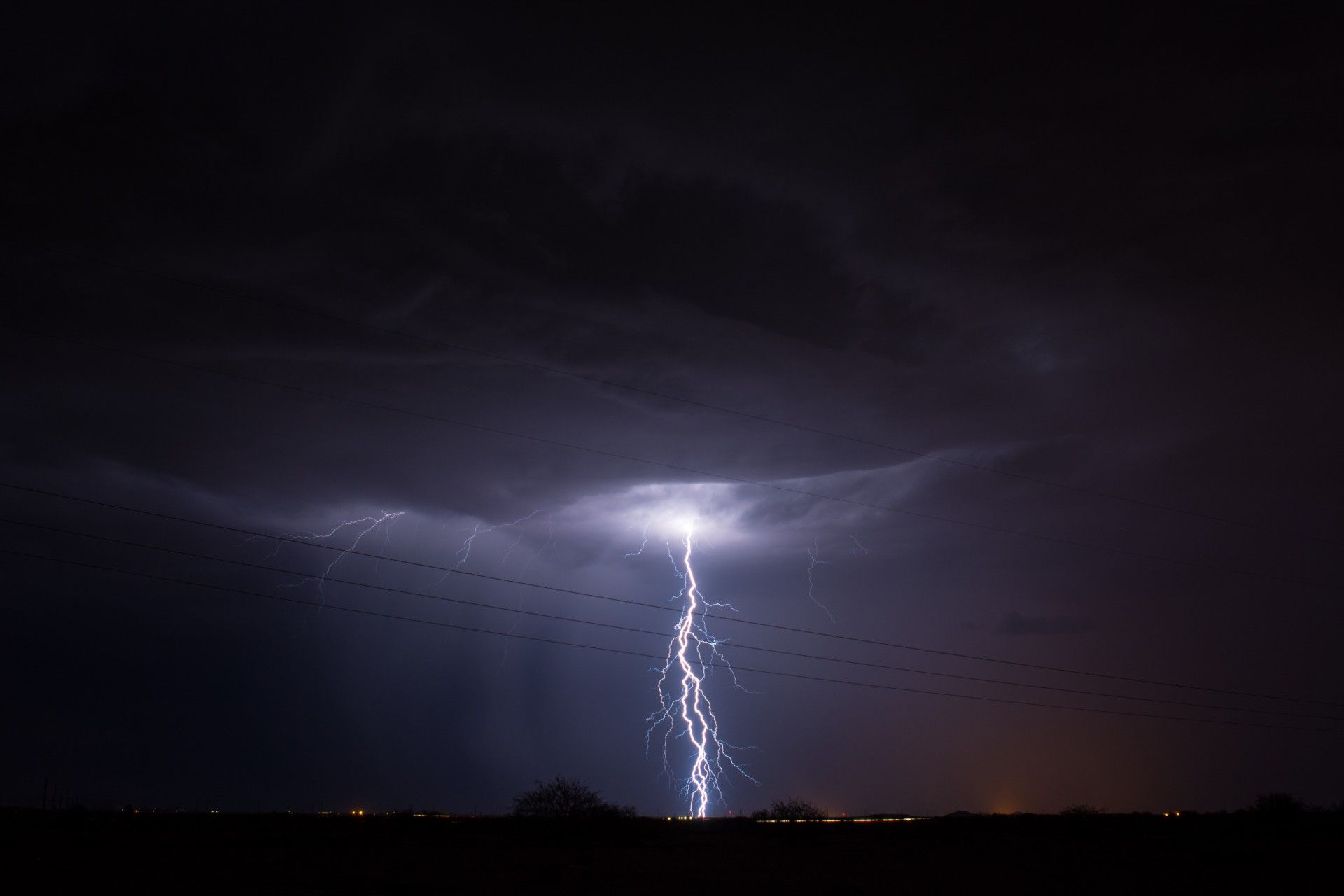
Can you guess why the following phrase says ピカッ instead of ピカピカ?
雷がピカッと光った。
かみなり が ピカッ と ひかった。
There was a flash of lightning.
The answer: Because we're talking about a single flash.
This is not the repeated flash/shine of something that is "sparkling," for instance.
For more on why repeated sounds have this nuance of continuing, please review these two lessons:
- Onomatopoeia: ちくちく
- Onomatopoeia: どばどば
That's all for this one. This is one of the first onomatopoeia I ever learned, and I've found many opportunities to use it along my Japanese-learning journey.
I hope you find the same to be true!
Niko
