- NDL
I hope
One of the most common struggles I had as a beginner was trying to fit simple English expressions into Japanese. There are so many set expressions that are a direct translation from English. However, I always ran into trouble when I wanted to say “I hope~.”
Now in Japanese, there are a few verbs that mean “to hope” like 望む(のぞむ)or 希望する(きぼうする). Unfortunately these have a connotation of “a deep desire for something, a dream, or a wish.”
So when you just want to say that you hope it doesn’t rain for the ballgame, these words are a little too heavy.

In Japanese, the simplest way to say “to hope” is using the conditional と and adding the word いい meaning “good.”
In effect, you are saying “if X, that would be good.”
It might sound a little weird, but this expression is used almost exactly like “I hope” in English.
For example:
第一志望の大学に入学できるといいですね。
だいいちしぼう の だいがく に にゅうがく できる と いい です ね。
I hope you get accepted into your top university pick.
早くよくなるといいですね。
はやく よく なる と いい です ね。
I hope you get better soon.
ポケモンをたくさんゲットできるといいね!
ポケモン を たくさん ゲット できる と いい ね!
I hope you catch a lot of Pokemon!
The word for “catching” Pokemon comes from the English word “get.” Which is why it is written in katakana. You can also use ゲットする for scoring points in a sports game.
If you have a slightly low expectation that the thing you are hoping for will come true, then you can add ~んだけど to the end of ~といい.
For example:
明日、晴れるといいんだけど。
あした、はれる と いいん だけど。
I hope tomorrow will be sunny.
If you're talking about yourself, putting な instead of ね after ~といい is common:
終電に間に合うといいな。
しゅうでん に まにあう と いい な。
I hope I can catch the last train.
ポケモンGOのジムリーダーになれるといいな。
ぽけもんごー の じむりーだー に なれる と いい な。
I hope I become the Pokemon Go Gym Leader.

If you take a look at all of the above sentences, they are all positive. Meaning you hope something does happen. If you want to create a negative sentence, one where you wish something doesn’t happen, there are a few ways to do this. First of all, you can just make the verb before といい, a negative verb, like so:
道に迷わないといいんですが。
みち に まよわない と いいん ですが。
I hope I don’t get lost. // I hope he/she doesn't get lost.
Or you can use a different conditional (other than と). The most common is なければ which means “if it doesn’t.” For example:
旅行中に地震が起こらなければいいな。
りょこうちゅう に じしん が おこらなければ いい な。
I hope there isn’t an earthquake during my trip.
邪魔になってなければいいんだけど。
じゃま に なってなければ いい んだけど。
I hope we're not interrupting them.
If you add ~のに to the end, the meaning becomes "wish" instead of "hope."
This ~のに is often added to sentences when you wish something weren't true. The direct translation is "although; but."
みんなポケモンGOなんてやらなければいいのに。
みんな ぽけもんごー なんて やらなければ いい のに。
I wish everybody didn't play Pokemon Go.
For instance, a kid might say this if all of his friends have a smartphone and are playing, but he doesn't.
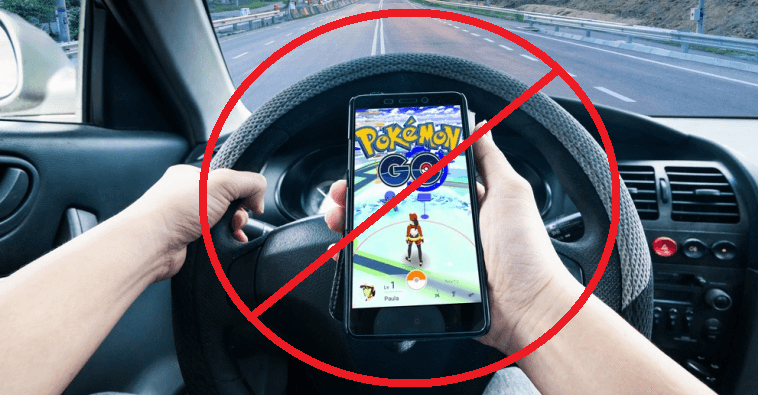
PSA: Don't Pokemon and Drive!