


- JLPT N4
ような
 Niko
JLPT N4: ような (like; similar to)
We've got some nice, straightforward sentences to look at in this lesson.
Like this one:
娘はゾウやキリンのような大きい動物が大好きです。
むすめ は ゾウ や キリン の ような おおきい どうぶつ が だいすき です。
My daughter likes big animals like elephants and giraffes.
The point the speaker wants to get across is:
娘は大きい動物が大好きです。
むすめ は おおきい どうぶつ が だいすき です。
My daughter likes big animals.
So he includes some archetypal examples:
ゾウやキリンのような
ゾウ や キリン の ような
like elephants and giraffes
Remember that や, unlike と, is used when saying "and" but not listing all of the items in question. That is, there are other animals that could be listed here, too.
We add all of that together to get:
娘はゾウやキリンのような大きい動物が大好きです。
むすめ は ゾウ や キリン の ような おおきい どうぶつ が だいすき です。
My daughter likes big animals like elephants and giraffes.
This ような is close to the English phrases "like," "similar to," and "such as."
👷 Making these のような sentences. 👷
Simple stuff here, thankfully:
NOUN + の + ような
like NOUN, similar to NOUN
Here's another example:
台湾やフィリピンのような、暖かい国に住みたいです。
たいわん や フィリピン の ような、 あたたかい くに に すみたい です。
I want to live in a warm country, like Taiwan or the Philippines.
The speaker wants to say:
暖かい国に住みたいです。
あたたかい くに に すみたい です。
I want to live in a warm country.
And she wants to give some good examples of this:
台湾やフィリピンのような
たいわん や フィリピン の ような
like Taiwan or the Philippines.
And all together that becomes:
台湾やフィリピンのような、暖かい国に住みたいです。
たいわん や フィリピン の ような、 あたたかい くに に すみたい です。
I want to live in a warm country, like Taiwan or the Philippines.
When ような is followed by a NOUN phrase, it is also possible to say ように, like this:
チェスや囲碁のように頭を使うゲームは苦手です。
チェス や いご の ように あたま を つかう ゲーム は にがて です。
I’m not good at games where you have to use your head, like chess and go.
In the sentence above, we can infer that ように, an adverb, is modifying the verb 使う.
It is also possible to use the adjective ような here, in which case we can infer that it is modifying the noun ゲーム:
チェスや囲碁のような頭を使うゲームは苦手です。
チェス や いご の ような あたま を つかう ゲーム は にがて です。
I’m not good at games where you have to use your head, like chess and go.
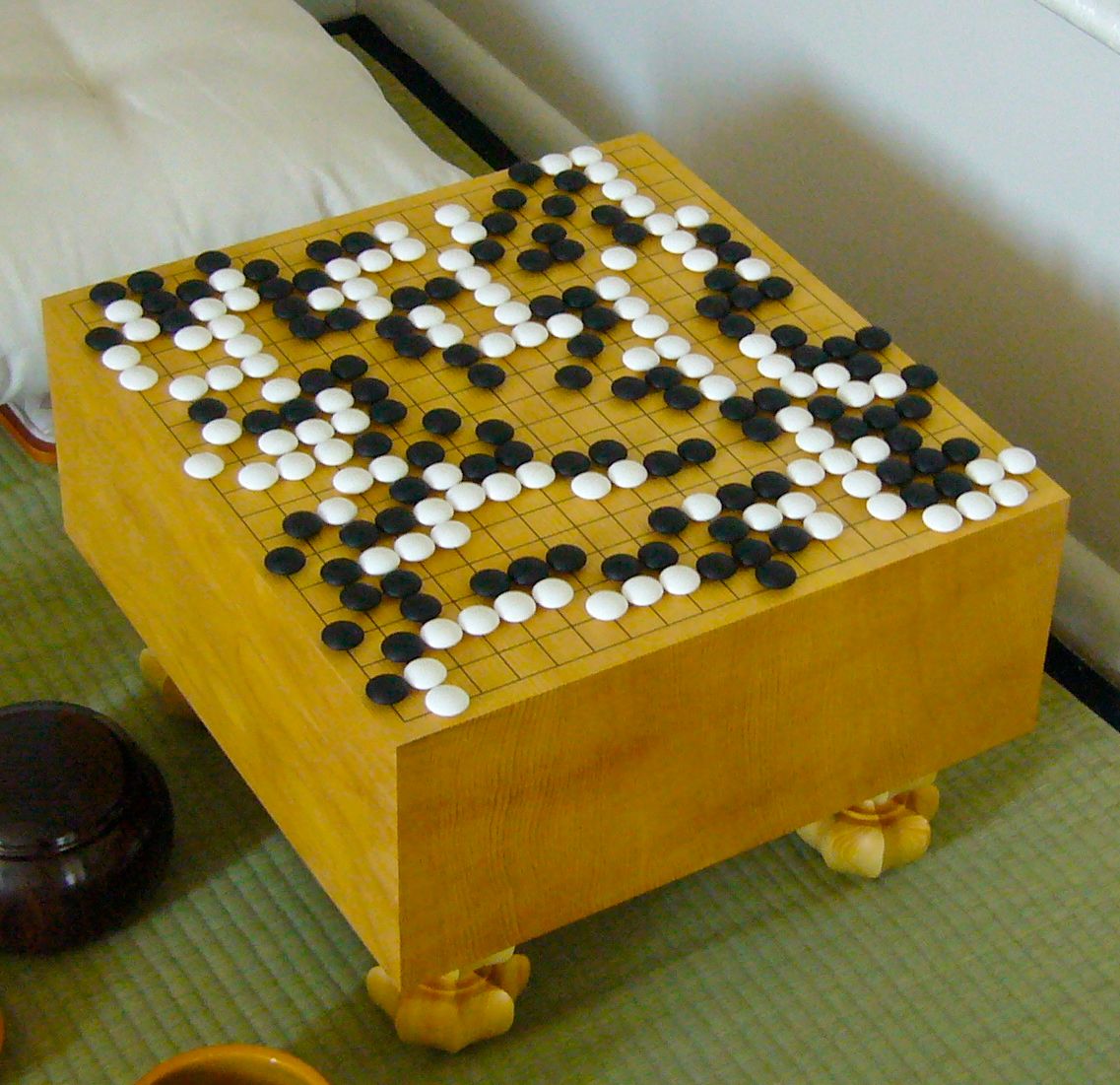
"Go" is a strategy board game. Invented in China over 2500 years ago, it is believed to be the oldest board game continuously played today (Wikipedia). It is called 囲碁 (いご) in Japanese. Here's what the board looks like:
Anyway, the speaker wants to make the point:
頭を使うゲームは苦手です。
あたま を つかう ゲーム は にがて です。
I’m not good at games where you have to use your head.
...and give some prime examples:
チェスや囲碁のように
チェス や いご の ように
like chess and go.
...which all together becomes:
チェスや囲碁のように頭を使うゲームは苦手です。
チェス や いご の ように あたま を つかう ゲーム は にがて です。
I’m not good at games where you have to use your head, like chess and go.
We don't always have to explicitly state what the archetypal examples in our sentence are illustrating.
For example, in the following sentence, there is no phrase like "place where you should be quiet" included:
病院や美術館、教会のようなところでは、静かにしましょう。
びょういん や びじゅつかん、 きょうかい の ような ところ で は、 しずか に しましょう。
Please try to be quiet at places like hospitals, art museums, and churches.
~ましょう is often used when making soft suggestions, which is why we went with "Please try..." and not "Let's try..."
Similarly, we could allow the listener to infer that we're talking about games that require you to use your brain without explicitly saying that:
チェスや囲碁のようなゲームは苦手です。
チェス や いご の ような ゲーム は にがて です。
I’m not good at games like chess and go.
Including more information does decrease ambiguity, but oftentimes us humans prefer to just go with shortened sentences, yeah?
So watch out for that.
Niko
